Principes d'ingénierie de la glacière à glace sèche d'IFSTAR Cases
Comment la dynamique thermique influence la conception d'une glacière à glace sèche
La chaleur se propage principalement de trois manières à l'intérieur d'un objet. glacière à glace carboniqueCes modes de transmission de la chaleur sont la conduction, la convection et le rayonnement. IFSTAR Cases conçoit chaque unité de manière à minimiser les flux de chaleur à travers les parois. Notre équipe sélectionne des matériaux à très faible conductivité thermique. La glace carbonique se transforme alors plus lentement en gaz, ce qui permet de maintenir une température intérieure basse pendant de nombreuses heures.
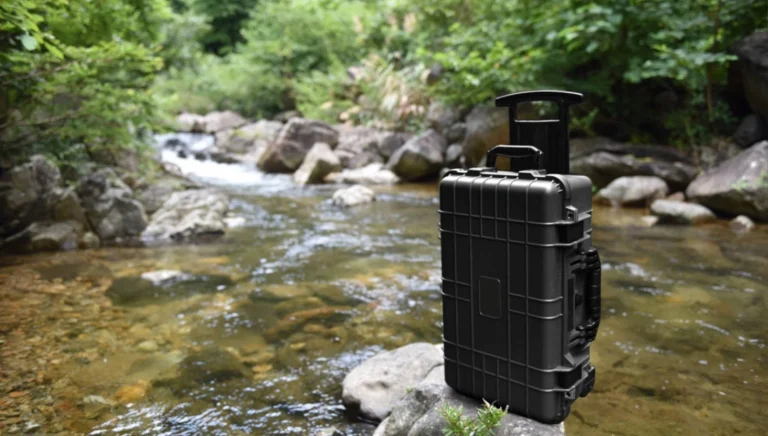
La coque est fabriquée en plastique ABS robuste avec des pièces en aluminium. Elle résiste aux chocs importants et supporte jusqu'à 227 kg. Elle fonctionne à des températures allant de -29 °C à 66 °C. Les panneaux isolants doivent résister à une utilisation quotidienne tout en conservant leurs propriétés isolantes contre le froid. Des parois plus épaisses conservent le froid plus longtemps, mais réduisent l'espace intérieur. Les ingénieurs optimisent ce compromis pour chaque modèle.
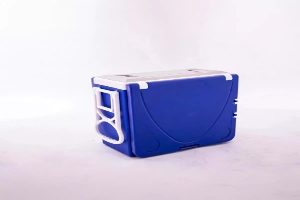
Considérations relatives à la conception structurelle dans l'ingénierie avancée des caissons réfrigérés
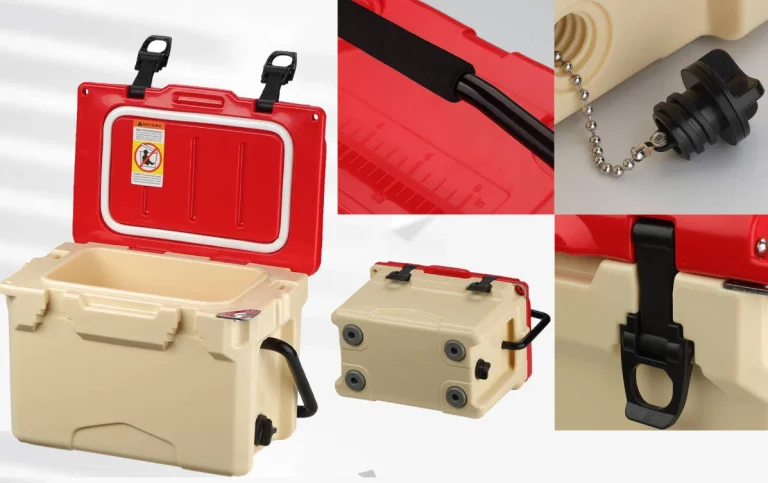
La forme intérieure d'une glacière à glace carbonique influe sur la circulation de l'air froid. Des canaux acheminent la vapeur uniformément sur les produits, éliminant ainsi les zones chaudes ou froides. La glace carbonique dégageant du CO₂, les parois doivent résister à la pression. Valises IFSTAR Des nervures robustes ont été ajoutées. Les angles sont 15 à 20 % plus épais que les parties plates. Cette conception optimise l'utilisation des matériaux.
Les joints empêchent les fuites de vapeur. Les joints en silicone multicouches conservent leur souplesse même après de nombreux cycles de chauffage et de refroidissement. Ils assurent une pression constante et bloquent l'humidité, ce qui est essentiel pour une utilisation prolongée sur le terrain.
La science des matériaux dans les cas IFSTAR’ Technologie d'isolation
Les valises IFSTAR combinent plusieurs couches de mousse et des barrières brillantes qui réfléchissent la chaleur. De minuscules structures à l'intérieur du plastique ralentissent la chaleur à une échelle très réduite. L'entreprise utilise également des plastiques recyclés. Ces matériaux conservent leur résistance et leurs propriétés isolantes. Chaque unité répond aux objectifs environnementaux sans générer de déchets supplémentaires.
Comment fonctionnent les dossiers IFSTAR’ Obtenez une durée de refroidissement prolongée dans ses glacières à glace sèche ?
Optimisation du contrôle de la sublimation de la glace sèche
La longue durée de refroidissement est assurée par une régulation précise de la glace carbonique. Des canaux d'aération répartissent uniformément la vapeur froide. La taille des compartiments est modulable selon le chargement. Le même conteneur convient aussi bien aux envois médicaux qu'aux longs trajets.
Le rôle des panneaux d'isolation sous vide (PIV) dans le maintien de la température
Les panneaux sous vide bloquent la majeure partie de la chaleur par les côtés. Un vide quasi parfait empêche toute transmission d'énergie. Des couches à changement de phase autour des panneaux absorbent la chaleur soudaine à l'ouverture du couvercle. Des joints d'étanchéité robustes garantissent la protection du vide pendant des années. Le boîtier reste étanche et conserve sa forme même sous contrainte.
Surveillance des performances thermiques grâce à des capteurs intégrés
Certains modèles sont équipés de capteurs placés à des endroits stratégiques. Ils surveillent la température en permanence. Les utilisateurs peuvent consulter ces données sur leur téléphone et planifier l'utilisation de la glace carbonique. Cela s'avère utile pour le transport de médicaments et les analyses en laboratoire.
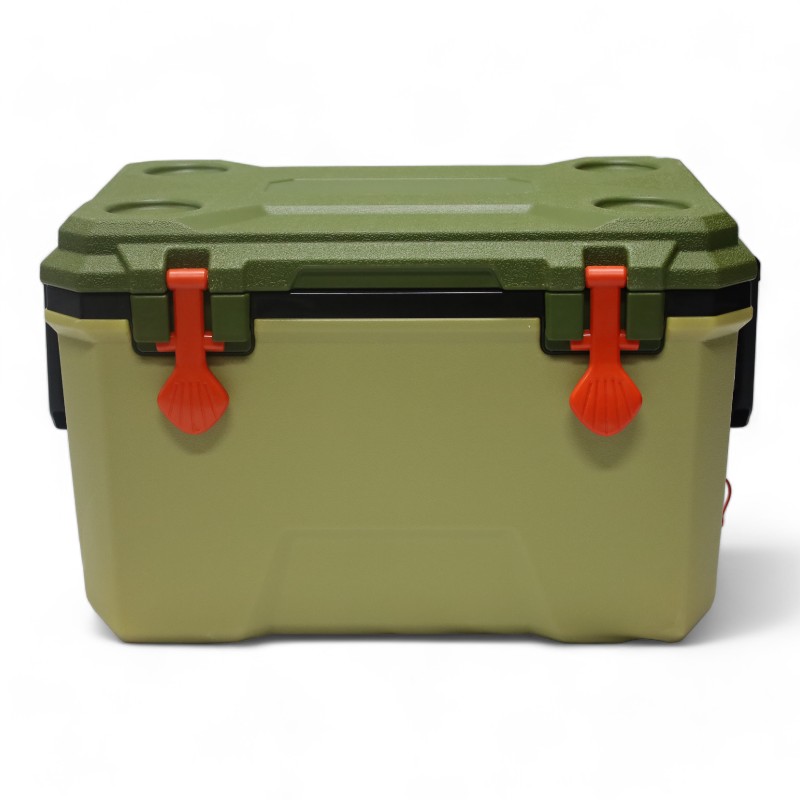
Qu’est-ce qui distingue la technologie d’isolation des valises IFSTAR des modèles de glacières classiques ?
Comparaison entre les refroidisseurs à mousse traditionnels et les systèmes techniques
Les anciennes boîtes en polystyrène emprisonnent l'air et maintiennent le froid. Les valises IFSTAR ajoutent des couches brillantes qui bloquent la chaleur de la lumière. Ces couches réduisent l'absorption de chaleur par les parois internes. La conception intégrale assure une meilleure isolation thermique par pouce d'épaisseur. Le résultat est idéal pour le camping ou le travail loin de toute source d'alimentation.
Intégration des techniques de fabrication avancées
Procédés de moulage de précision
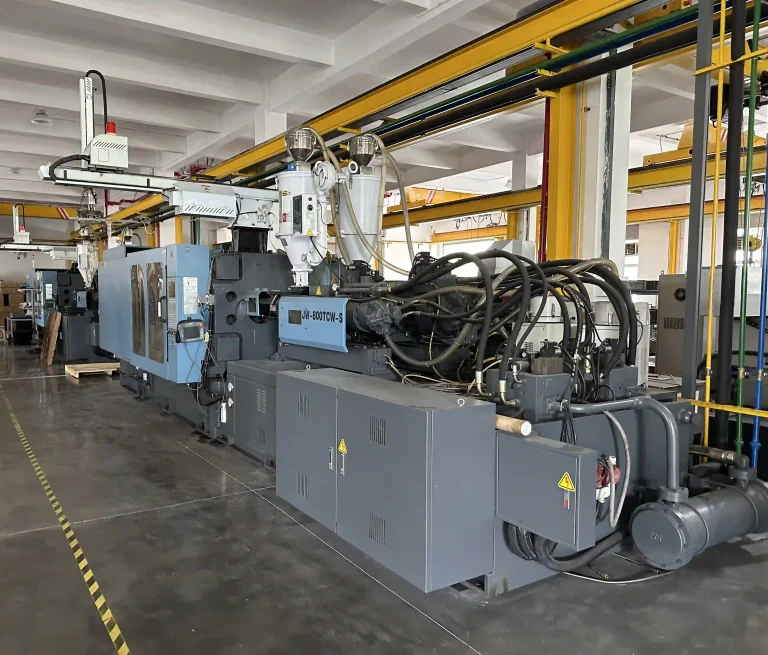
Les moules CNC façonnent chaque panneau à la même épaisseur. Cela garantit des performances de refroidissement constantes d'une boîte à l'autre.
Composants de fabrication additive
L'impression 3D permet de fabriquer des pièces de test pour les conduits d'air et les supports de capteurs. Les équipes peuvent ainsi tester rapidement de nouvelles formes tout en conservant des dimensions précises.
Comment les glacières à glace carbonique sont-elles testées en termes de performance et de durabilité ?
Essais en laboratoire dans des conditions contrôlées
Chaque nouveau modèle est soumis à des cycles de températures extrêmes. Les tests reproduisent les conditions météorologiques et d'humidité réelles. Les équipes mesurent la vitesse de fonte de la glace carbonique sous différentes charges.
Validation sur le terrain dans les scénarios de transport et de stockage
Applications de transport longue distance
Les colis sont équipés de capteurs lors des expéditions réelles. Les résultats doivent respecter les normes internationales de la chaîne du froid.
Tests d'exposition environnementale en extérieur
Ces boîtiers sont exposés au soleil, à la pluie et aux chocs. Ils doivent résister à la même pression que les autres boîtiers conçus pour supporter un impact de 227 kg (500 lb).
Comment les ingénieurs peuvent-ils optimiser l'utilisation d'une glacière à glace sèche pour des applications spécifiques ?
Adaptation des paramètres de conception aux exigences de l'application
Systèmes de transport médical
Les vaccins et les tissus expédiés nécessitent un froid constant. Des parois mobiles et des aérations permettent de maintenir chaque section à la température adéquate.
Opérations de logistique alimentaire et de restauration
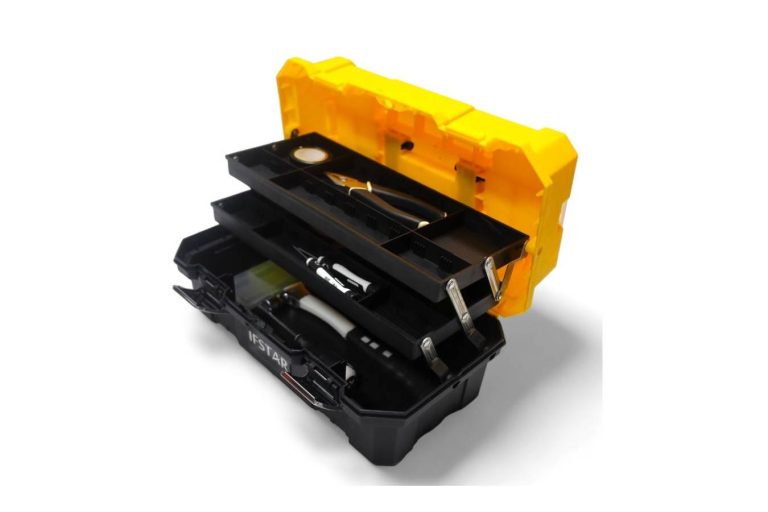
Les boîtes alimentaires sont munies de séparateurs pour séparer les produits congelés et réfrigérés. Cela respecte les règles d'hygiène et optimise l'espace.
Pratiques d'entretien pour prolonger la durée de vie opérationnelle des glacières
Protocoles de nettoyage des surfaces isolées haute densité
Nettoyez l'intérieur avec de l'eau et du savon doux. Cela préservera la brillance des couches et des joints.
Procédures d'inspection des joints et des charnières
Vérifiez régulièrement l'étanchéité des joints et des charnières. Même de petites fuites peuvent entraîner un gaspillage de glace carbonique lors de longs trajets.
Comment les différents types de glacières se comparent-ils aux valises IFSTAR ?’ Approche d'ingénierie ?
Aperçu des catégories courantes de glacières
Refroidisseurs passifs
Les refroidisseurs passifs utilisent uniquement de l'isolant. Ils sont plus légers mais ont une durée de vie inférieure à celle des modèles sous vide.
Refroidisseurs actifs
Les refroidisseurs actifs nécessitent une alimentation électrique et un compresseur. Ils fonctionnent en continu, mais sont plus lourds et requièrent des prises de courant.
Pourquoi les ingénieurs préfèrent les glacières à glace sèche pour les conditions extrêmes
Avantages de la plage de température
glace carbonique glacières Elles atteignent -78°C. Elles conviennent aux applications nécessitant une congélation profonde et constante.
Portabilité et indépendance énergétique
Aucun câble d'alimentation n'est nécessaire. Ces boîtiers sont particulièrement adaptés aux expéditions polaires ou aux opérations de secours en cas de catastrophe.
FAQ
Q : À quoi sert une glacière à glace sèche ?
A : Une glacière à glace carbonique permet de maintenir les objets à une température très basse grâce au CO₂ solide. Elle est adaptée au transport médical, aux déplacements en laboratoire et aux travaux de longue durée en extérieur.
Q : Combien de temps la glace sèche se conserve-t-elle dans une glacière à glace sèche IFSTAR Cases ?
R : La glace carbonique a généralement une durée de vie de 48 à 120 heures. La durée exacte dépend de la chaleur extérieure et de la fréquence d'ouverture du couvercle.
Q : Une glacière à glace carbonique est-elle sans danger pour la conservation des aliments ?
R : Oui, avec une bonne ventilation. Évitez tout contact direct des aliments avec la glace carbonique pour prévenir les brûlures de congélation.
Q : Quels sont les principaux types de glacières disponibles aujourd'hui ?
A: Les principaux types de glacières sont les glacières passives qui utilisent uniquement de l'isolation, les glacières actives qui nécessitent une alimentation électrique et les unités hybrides qui combinent les deux méthodes.
Q : Quelle est la meilleure glacière pour les séjours en camping nécessitant une longue conservation du froid ?
A: La glacière sous vide à glace carbonique d'IFSTAR Cases offre une autonomie maximale en camping isolé. Son flux de vapeur contrôlé et ses couches isolantes robustes font toute la différence.