Qu’est-ce qui définit un fabricant de refroidisseurs et de boîtiers rotomoulés sur mesure ?
Les principes fondamentaux de la technologie de moulage rotationnel
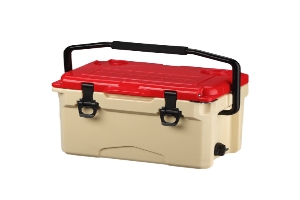
Le rotomoulage est une technique de mise en forme des thermoplastiques. De la résine en poudre est placée dans un moule creux. Le moule tourne sur deux axes tandis que de la chaleur est appliquée simultanément. Cela permet à la résine fondue de recouvrir uniformément l'intérieur du moule. On obtient ainsi des pièces creuses sans joint, dont l'épaisseur est constante. Sans joint, les pièces sont plus résistantes et évitent les points faibles souvent présents dans les pièces assemblées. Cette méthode permet de réaliser des formes complexes, comme des boîtiers rotomoulés. refroidisseurs rotoformésPoignées, charnières et compartiments peuvent tous être formés d'une seule pièce.
Caractéristiques clés d'un fabricant professionnel de boîtiers rotomoulés
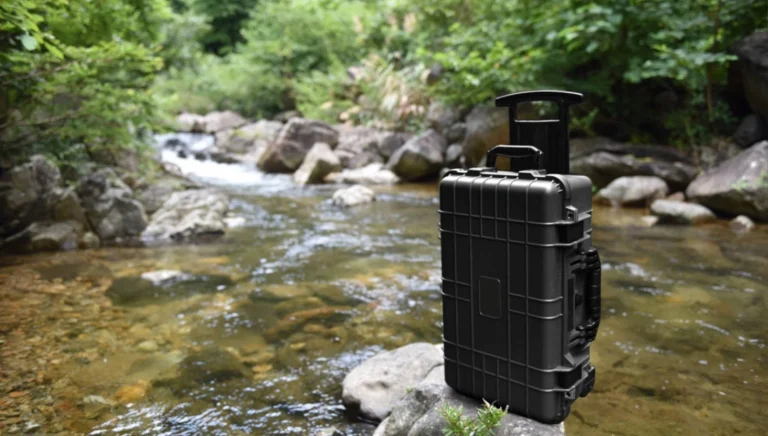
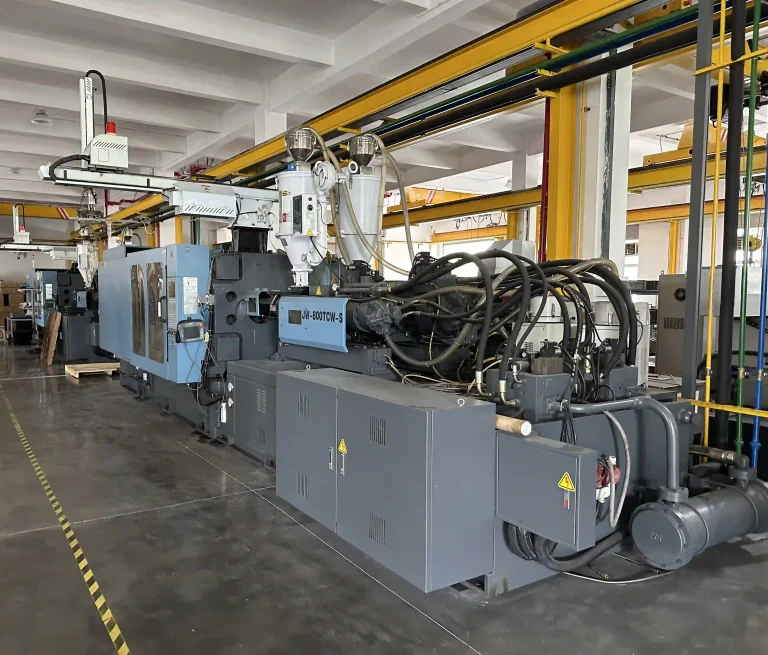
Un fabricant professionnel de boîtiers rotomoulés doit maîtriser la conception des moules, la science des matériaux et le contrôle des procédés. Le personnel doit gérer avec précision la chaleur, la vitesse de rotation et le flux de résine afin de garantir une densité uniforme sur toute la surface. Les fabricants de boîtiers rotomoulés privilégient la résistance aux chocs, à l'eau et aux produits chimiques. Ces caractéristiques sont essentielles pour les applications militaires, industrielles et de plein air. Fondée en 2009, IFSTAR Cases est basée à Yiwu, dans la province du Zhejiang, en Chine. Son emplacement stratégique lui confère d'excellentes liaisons de transport et une solide expérience du commerce international. Son équipement de pointe et son équipe de plus de 60 personnes qualifiées garantissent une qualité constante.
Pourquoi les services OEM/ODM sont importants dans l'industrie du rotomoulage
Services OEM/ODM Nous permettons à nos clients de personnaliser la taille, les fonctionnalités et l'image de marque selon leurs besoins précis. Nos ingénieurs collaborent étroitement avec eux afin de réduire les délais de développement tout en garantissant une qualité optimale. Nous disposons de plus de 100 moules issus de la R&D et de projets partenaires, ce qui nous permet de créer et d'améliorer des produits conformes aux spécifications de nos clients. Notre système de gestion de la qualité unique nous permet de traiter aussi bien les petites séries personnalisées que les commandes de production importantes.
Comment fonctionne le processus de production de boîtiers rotomoulés sur mesure ?
Étape 1 : Développement du concept et de la conception du produit
Chaque boîtier rotomoulé sur mesure est conçu à partir d'un concept modélisé par un logiciel de CAO. Les ingénieurs transforment les fonctions nécessaires en modèles numériques respectant la symétrie de rotation. Ils définissent l'épaisseur des parois pour un équilibre optimal et intègrent les points d'articulation et les zones de préhension pour les étapes de découpe ultérieures. Une analyse par éléments finis vérifie les contraintes avant la fabrication de tout prototype.
Étape 2 : Fabrication du moule pour les refroidisseurs ou les boîtiers rotoformés
Conception du moule rotatif pour applications de boîtes isothermes
Les moules en aluminium ou en acier usinés CNC garantissent une production précise. La finition de surface, mate pour une meilleure prise en main ou lisse pour un aspect esthétique, détermine le toucher. Les canaux d'aération permettent une répartition uniforme de la résine et évitent les zones trop fines ou les espaces vides.
Maintenance et étalonnage des moules
Des contrôles réguliers garantissent la précision des moules après de nombreux cycles de chauffe. L'étalonnage évite les défauts d'alignement dans les moules multi-pièces utilisés pour la conception de refroidisseurs rotoformés de grande taille.
Étape 3 : Sélection et préparation des matériaux
Choisir la résine adaptée pour une durabilité et des performances optimales
Le polyéthylène est la résine principale car il est robuste, résistant aux produits chimiques et supporte bien le froid. Des additifs comme les stabilisateurs UV et les colorants améliorent sa durabilité en extérieur et préservent la couleur.
Techniques de prétraitement avant moulage
Les granules de résine sont complètement séchés avant utilisation afin d'éviter la formation de bulles ou de petits trous dus à l'humidité. Les colorants sont mélangés uniformément pour que chaque boîtier rotomoulé La coquille a une couleur uniforme.
Étape 4 : Explication du cycle de rotomoulage
Phase de chauffage : Fusion de la résine à l’intérieur du moule
Lors de la phase de chauffage, les moules tournent sur deux axes à l'intérieur d'un four. La poudre fond et se répartit sur toutes les surfaces internes. Un chauffage contrôlé évite la formation de zones fines qui fragiliseraient la pièce.
Phase de refroidissement : solidification de la coque moulée
Le refroidissement utilise un brouillard d'air ou d'eau en fonction de l'épaisseur de la pièce. Un refroidissement lent garantit la précision dimensionnelle et améliore la résistance aux chocs. Ceci est particulièrement important pour les boîtiers rotomoulés utilisés dans des conditions difficiles sur le terrain.
Étape 5 : Opérations de démoulage, de finition et d’assemblage
Techniques de démoulage sûres pour préserver l'intégrité du produit
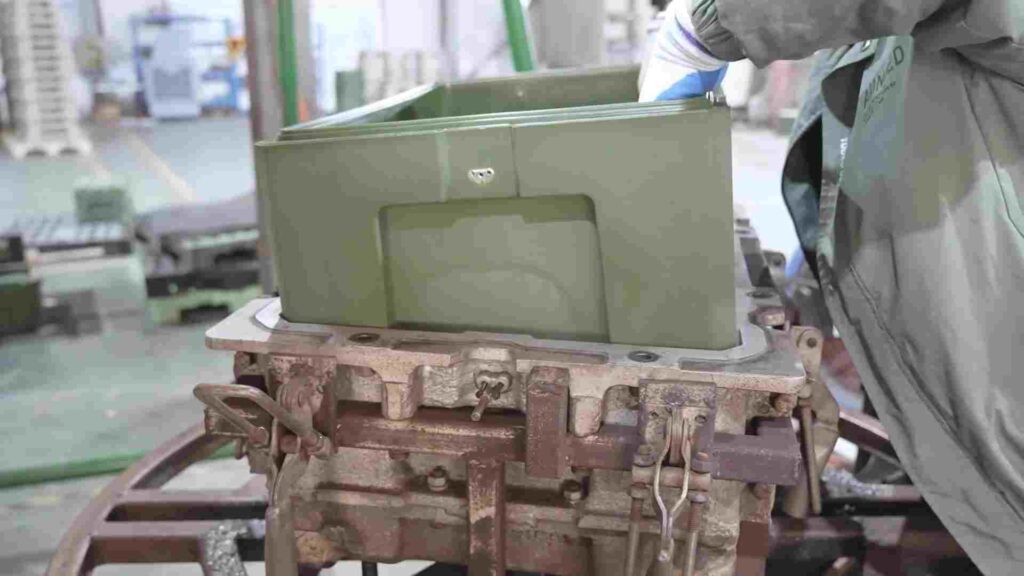
Les opérateurs ouvrent les moules avec précaution une fois refroidis afin d'éviter les rayures et les bosses. Un dispositif de levage facilite la manipulation des moules de rotoformage lourds et garantit une sécurité optimale.
Étapes de traitement secondaire après démoulage
Après démoulage, les excédents de matière sont ébarbés sur les bords. Des trous sont percés pour les charnières ou les vannes. Les roues et les loquets sont ensuite installés.
Étape 6 : Procédures d’inspection de la qualité et de tests finaux
Normes d'essais structurels pour les boîtiers rotomoulés
Des tests de chute vérifient l'impact sous différents angles. Des tests de charge confirment la rigidité du couvercle lorsque les caisses sont empilées.
Mesures de contrôle qualité visuelles et dimensionnelles
Chaque article est inspecté sous lumière artificielle afin de détecter d'éventuels défauts de surface. Un contrôle des dimensions permet de vérifier que les pièces s'assemblent correctement avant l'emballage.
Qu'est-ce qui distingue les étuis IFSTAR des autres fabricants d'étuis rotomoulés sur mesure ?
Capacités d'ingénierie avancées dans les projets OEM/ODM
Chez IFSTAR Cases, nous utilisons des outils d'ingénierie à chaque étape. La conception assistée par ordinateur (CAO) et les tests de prototypes confirment que la pièce répond aux exigences du client. La réalisation rapide de prototypes nous permet de valider les idées avant la production en série, tout en respectant des tolérances strictes.
Qualité constante grâce au contrôle de la production en interne
Toutes les étapes de fabrication, de la conception des moules à l'assemblage final, sont réalisées dans nos propres installations. Des contrôles en temps réel de la température et de la vitesse de rotation garantissent la constance des résultats. Des programmes d'amélioration continue assurent une production fiable pour l'ensemble de notre gamme de boîtiers rotomoulés.
Comment les refroidisseurs Rotoform sont-ils conçus pour une efficacité thermique optimale ?
Principes d'isolation des refroidisseurs rotomoulés
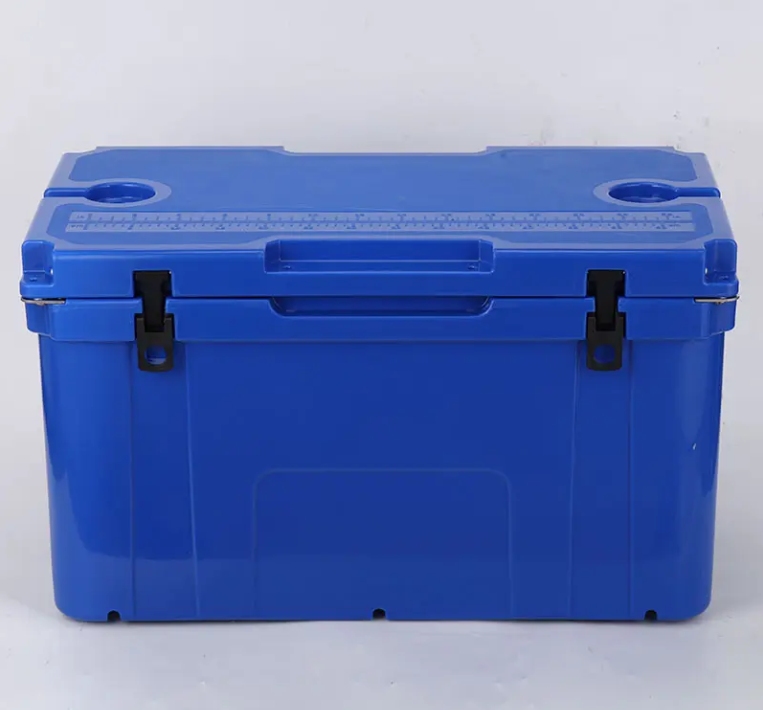
Les glacières Rotoform utilisent une double paroi avec de la mousse entre les deux. Cela permet de maintenir la température pendant de longues périodes. L'épaisseur uniforme de la paroi limite les pertes de chaleur. Des joints empêchent les fuites d'air lorsque les conditions extérieures changent.
Matériaux améliorant les performances du refroidisseur
Types de mousses utilisées à l'intérieur des glacières rotoformées
La mousse de polyuréthane est souvent utilisée entre les parois. Son rapport poids/isolation est élevé. Sa densité peut être adaptée à la durée de conservation du froid souhaitée, pour des séjours de courte ou de longue durée.
Traitements de surface pour une durabilité et une nettoyabilité accrues
Le revêtement anti-UV protège la surface des dommages causés par le soleil lors d'une utilisation en extérieur. Les parois intérieures lisses facilitent le nettoyage après le transport d'aliments ou de produits médicaux.
Comment les options de personnalisation élargissent-elles les possibilités des OEM/ODM ?
Fonctionnalités configurables disponibles auprès d'un fournisseur de boîtiers rotomoulés
Ajouts fonctionnels adaptés aux besoins de l'application
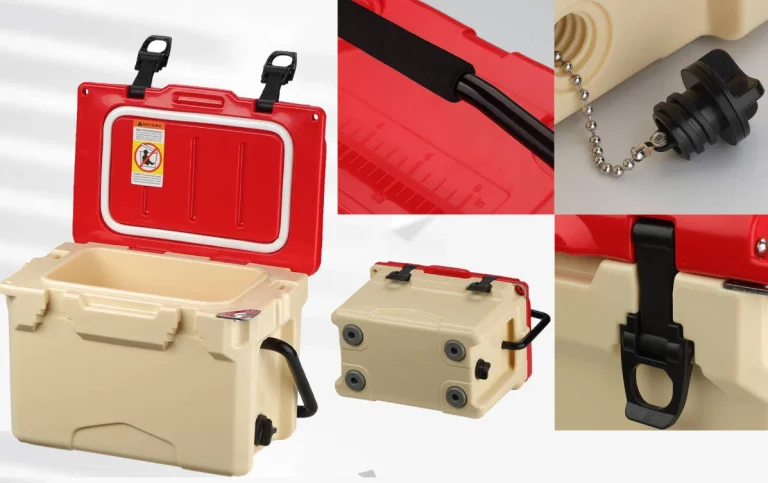
La conception permet d'intégrer directement dans le moule des composants électroniques ou des outils, ce qui élimine les étapes d'assemblage supplémentaires. Bouchons de vidange, verrous, vannes et poignées peuvent être ajoutés sans compromettre la solidité de la structure.
Choix de personnalisation esthétique
Les couleurs choisies correspondent à l'image de marque de l'entreprise. Les logos peuvent être moulés pour une meilleure reconnaissance. Les options de texture vont du mat pour une utilisation intensive aux finitions plus lisses pour un rendu plus soigné.
FAQ
Q : Quels sont les principaux avantages de l'utilisation d'un boîtier rotomoulé par rapport à d'autres méthodes de fabrication ?
A : Le rotomoulage permet de créer des boîtiers monoblocs aux parois régulières. Il en résulte une forte résistance aux chocs et une bonne étanchéité. Ces caractéristiques sont particulièrement adaptées au transport lourd, où une protection contre les chocs est indispensable.
Q : Comment un fabricant de boîtiers rotomoulés sur mesure OEM/ODM comme IFSTAR Cases garantit-il une qualité constante ?
A: Notre usine maîtrise chaque étape, de la conception aux tests. Chaque lot est contrôlé en termes de dimensions et de performances. Les tests respectent des normes telles que l'étanchéité IP67 utilisée pour les boîtiers rotomoulés professionnels.
Q : Est-il possible de personnaliser les valises rotomoulées avec des inserts ou des compartiments internes en mousse ?
R : Oui. Les inserts en mousse peuvent être prévus dès le départ dans le logiciel de CAO. Cela permet un ajustement précis autour des objets fragiles et améliore leur protection pendant le transport.
Q : Quels matériaux sont généralement utilisés dans la fabrication des refroidisseurs rotoformés ?
A: Principalement du polyéthylène haute densité. Ce matériau offre une résistance suffisante pour supporter le poids de la glacière et est stable en température pour résister aux variations de température extérieure.
Q : Combien de temps faut-il pour développer un nouveau moule rotatif pour la production de boîtes isolantes ?
A : Le délai de livraison dépend de la complexité de la forme et des caractéristiques. Il comprend généralement la conception assistée par ordinateur (CAO), la découpe CNC et les essais avant le lancement de la production en série du moule rotatif pour la boîte isolante.