
A neatly arranged toolbox offers more than mere convenience. It serves as a vital need for experts and hobbyists. When tools sit in tidy spots and follow a clear order, you finish jobs quicker and safer. You make fewer errors and feel less annoyed. Lost or broken tools can spoil even basic chores. So, good setup matters a lot for speed and protection.
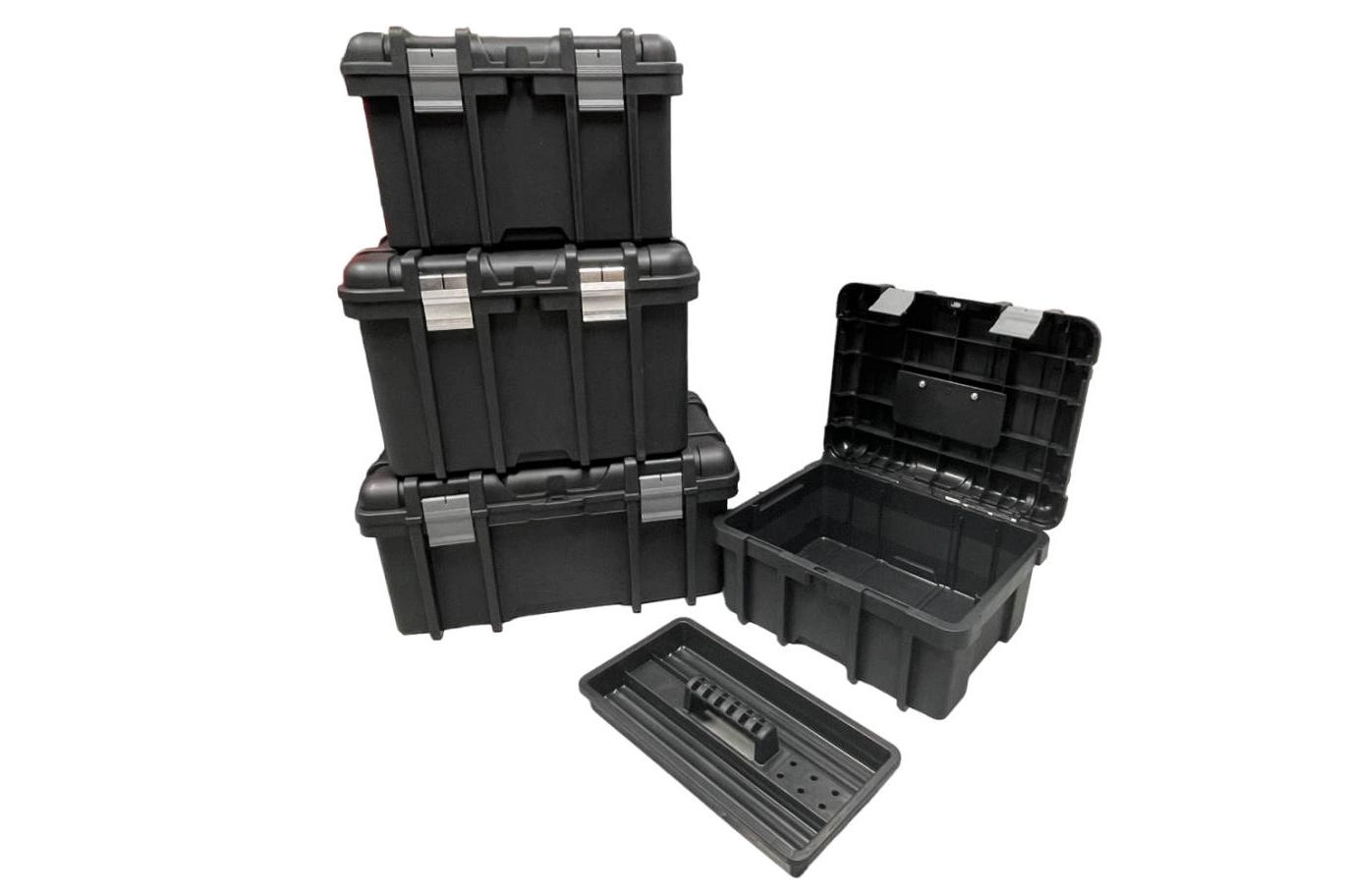
This piece covers useful, working ways to sort and care for your toolbox. It fits whether you handle a small home kit or a big pro setup from IFSTAR Cases. These ideas will improve your daily tasks.
1. Start with the Essentials
What You Need in a Toolbox
Any solid toolbox starts with key basics. These cover a hammer, pliers, Phillips and flathead screwdrivers, adjustable wrenches, utility knives, tape measures, Allen keys, and a level. For specific jobs, add extras:
- Home repair: Include a stud finder, wire cutters, and a small cordless drill.
- DIY projects: Add clamps, a handsaw, and a sanding block.
- Automotive use: Pick a socket set, torque wrench, and jumper cables.
Avoid Overloading Your Toolbox
Don’t stuff every tool into the box. Extra weight slows you down. It causes mess and risks harm to fragile parts. Stick to your go-to items. Keep seldom-used ones in another spot.
2. Choose the Right Toolbox for Your Tools
Selecting a Toolbox That Fits Your Needs
Toolboxes vary in build and design. Lightweight plastic ones suit on-the-go use. Tough aluminum units provide better strength and room.
Our custom aluminum shipping cases handle strong, light carrying. They look sharp and match the gear inside. We tailor them for any purpose. Options range from simple display cases to sturdy metal ones for factory or official jobs.
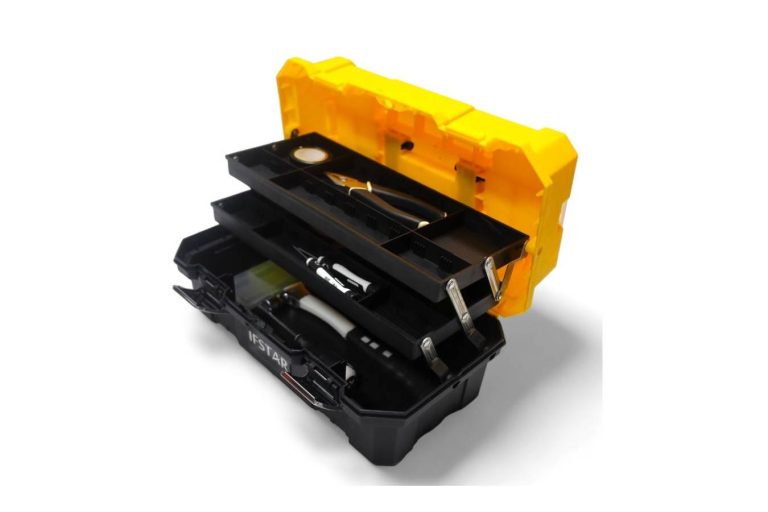
Think about trays or drawers to split tools by shape or kind. IFSTAR Cases offers toolboxes with trays like the G-2050+2050T series. It has a sturdy steel handle and a pull-out tray.
Maximizing Space Inside Your Toolbox
Pick tool holders that make the most of inside space. Models like the G-218 series come with 3 or 4 drawers. Each drawer holds 5 slots with movable walls. You can adjust sections to fit tool sizes and how often you grab them.
3. Group Tools by Function
Categorizing Tools for Easy Access
Sort your tools into practical groups:
- Hand tools: Screwdrivers, hammers, pliers.
- Power tools: Drills, grinders.
- Plumbing tools: Pipe wrenches, Teflon tape.
- Electrical tools: Multimeters, wire strippers.
Such grouping speeds up your work. It cuts down time hunting for items.
Using Organizers to Keep Tools Separate
Dividers, trays, and small boxes stop tools from mixing. The G-1712 series features pull-out bins with clear PC lids. They work well to hold groups apart.
4. Use Tool Organizers and Inserts
Organizational Inserts
Foam liners give each tool its own spot. Custom Foam Inserts shield your important goods and gear. They offer the care and nice display they need. We shape them to your specs. The outside allows silk screen-print branding.
Foam also guards against bumps. That’s key when you move around a lot.
Magnetic Tool Organizers
Magnetic bars or holders keep metal bits like screws or tips close by. They help a lot on walls or in cramped spots.
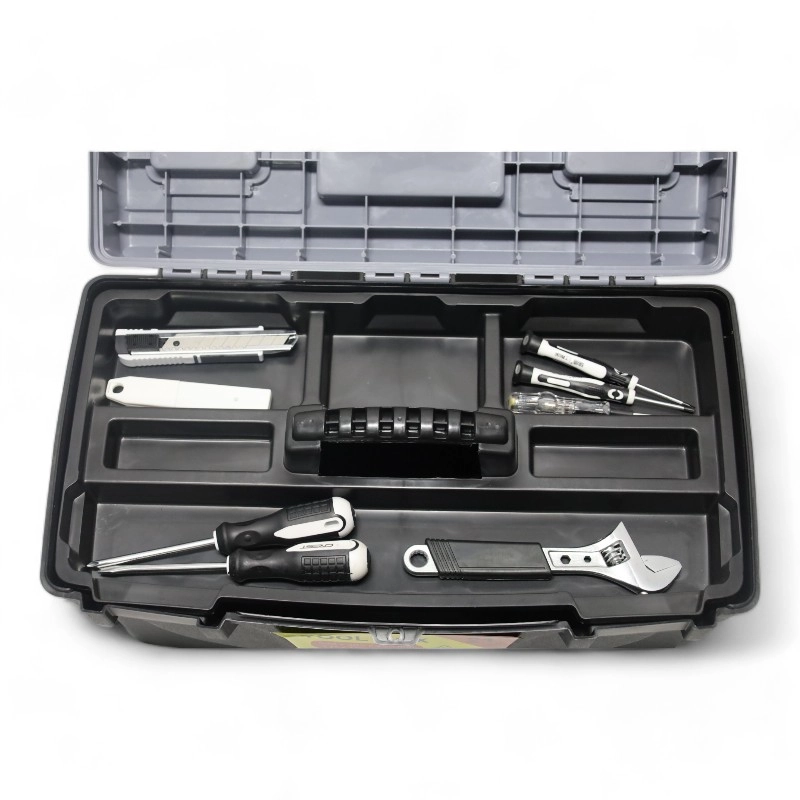
5. Label and Identify Tools
Labeling for Quick Identification
Mark trays, drawers, or foam areas with sticky tags or lasting ink. For better setup, try color tags for fast sight checks.
Using Labels to Prevent Tool Loss
Give every tool its marked place. Then, you spot missing ones right away. This cuts down losses at work sites or during travel.
6. Regular Maintenance and Cleaning
Keep Your Tools Clean and Rust-Free
Cleaning often lengthens tool life. The built-in closed-cell foam resists water. It won’t soak up dampness. That fights rust and wear. Store in dry places. Or add rust fighters like silica gel or oil layers.
Check for Damaged Tools
Regular checks spot damage soon. Fix or swap out bad tools fast. This keeps safety high.
7. Organizing Small Accessories
Storing Nails, Screws, and Fasteners
Small divided boxes sort hardware well. The G-200 series has choices like 8 sections with 6 movable splits. It’s great for nails, bolts, washers, and bits.
How Using Small Plastic Boxes Can Help
See-through boxes let you spot contents without lids. Stackable types save room on shelves. They keep tiny items apart.
8. Safety Considerations
Ensuring a Safe Toolbox
Put sharp items like chisels in covers or soft areas. Place heavy tools low to avoid flips.
Tips on Organizing Dangerous Items
IFSTAR Cases’s aluminum cases give a modern look at a fair cost. Custom foam insides turn standard aluminum cases into OEM Equipment and Instrument Cases. They add safety for delicate items.
9. Use a Tool Inventory System
Create a Toolbox Inventory
Make a list, digital or paper, of tools by name, group, and spot. It’s key for big collections or team use.
How an Inventory Helps Manage Tools
If a tool vanishes on the move or in use, check your list. It shows what’s lost and possible spots.
10. Organize for Easy Access
Making Tools Accessible
Keep often-used items like screwdrivers or tape measures up top or in front. Rare ones fit deep spots or bottom drawers.
Drawer vs. Open Storage
Drawers suit fine tools that need cover. Open boxes fit tough hand tools you grab daily.
11. Store Spare Parts and Extra Equipment
Organizing Spares
Set drill bits, batteries, blades, and extras away from main tools. Use marked areas like in the G-1501 series. It has small drawers and big open ones. They’re simple to reach for fixes.
Importance of Clear Labeling
Plain labels let you tell parts apart fast. No more confusing Phillips #1 with #2 bits. Or metric vs SAE sockets.
12. Keep Your Toolbox Updated
Reassessing Your Toolbox Regularly
Your tasks change with new work or jobs. So should your toolbox. Check tools now and then. Toss old stuff and add fresh ones.
Keeping Only What You Need
Skip keeping extras or busted items. They waste space. Updates mean you carry just what’s needed now.
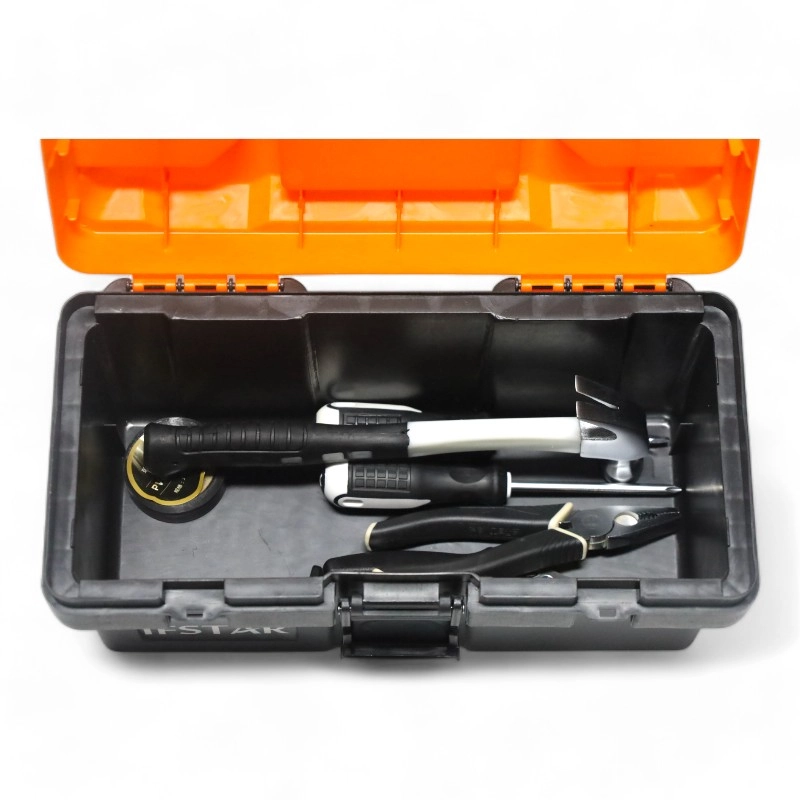
MM Taille extérieure: sorted toolbox goes beyond tidiness. It raises safety, quickens work, lengthens tool use, and shows pro skill. Smart steps like grouping, marking, liners, steady care, and smart storage from IFSTAR Cases turn your toolbox into a strong work helper.
Upgrade your toolbox setup now with these solid tips. A fine-organized toolbox from IFSTAR Cases cuts time, boosts safety, and lifts efficiency in all tasks.
Petites boîtes – Yifu
Q: What is the best tool organizer for small hand tools?
A: A holder with pull-out bins or trays works best for small hand tools. It keeps them apart and simple to grab. Clear boxes help you see tools fast without searching.
Q: How can I keep my tools from getting damaged in my toolbox?
A: Foam liners or soft padding in your toolbox guard against harm from shifts. They stop tools from scraping each other and getting marks.
Q: Can a tool organizer help me keep track of small accessories like screws and nails?
A: Yes! Divided small boxes suit nails, bolts, washers, and fasteners. They store items neatly and make finding easy.
Q: How often should I update my tool organizer?
A: Check your tool holder often to match your current work. Clear out broken or unused pieces. Add new tools or bits as needed to stay sharp.

 French
  English
  Japanese