Un rangement responsable des armes à feu ne se résume pas à une simple boîte dans un coin ou à un clavier qu'on utilise de temps en temps. Les risques du quotidien sont de plus en plus préoccupants : incendies domestiques plus violents qu'on ne le pense, canalisations qui éclatent à 3 h du matin, caves inondées lors d'un orage, ou encore enfants capables d'ouvrir n'importe quoi par simple curiosité. Un étui à fusil moderne doit résister à toutes ces situations, et pas seulement avoir une apparence robuste.
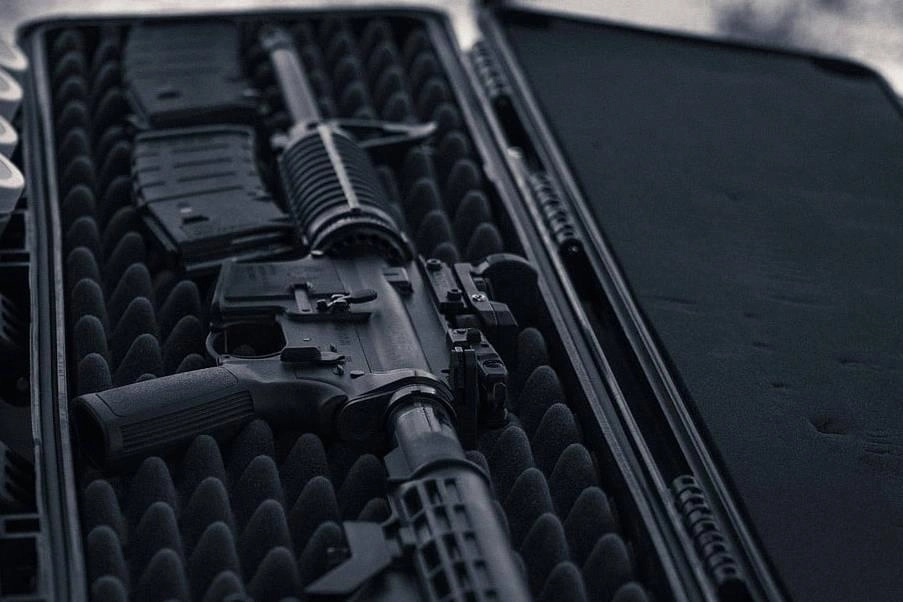
C’est pourquoi l’attention s’est portée sur les matériaux ignifuges + étuis étanches pour armesLes deux aspects sont importants. Un coffre-fort résistant uniquement à la chaleur peut se remplir d'eau. Un étui à fusil étanche, mais sans véritable résistance au feu, ne protégera rien lorsque les températures atteignent des valeurs élevées. La question est donc : comment choisir un modèle réellement efficace ?
Qu'est-ce qui constitue un VRAI étui à fusil ignifugé ?
Certains coffres-forts utilisent le terme « ignifugé » à tort et à travers, comme s'il s'agissait d'un simple ornement. Un véritable coffre-fort ignifugé est doté des éléments suivants :
- Isolation ignifuge — généralement du gypse ou de la fibre céramique
- Joints intumescents thermo-expansibles qui se gonflent sous l'effet de la chaleur
- Tests indépendants tels que la vérification UL 72 ou ETL
Les classifications de résistance au feu que vous rencontrerez le plus souvent sont :
- 30 minutes à 1400 °F
- 60 minutes à 1700 °F
- 120 minutes à 1800 °F
Pour la plupart des habitations, une durée de 60 minutes est idéale. Les pompiers ont souvent besoin de 20 à 40 minutes rien que pour atteindre le bâtiment, et les incendies s'éteignent rarement rapidement. Les propriétaires qui ont vu un incendie de près disent généralement : « Ça a brûlé vite, plus vite que prévu. »
Un coffre-fort conçu pour durer seulement 30 minutes peut tomber en panne avant même l'arrivée des secours.
Ignifugé ou ignifuge et imperméable
On pense souvent que le feu est le principal danger. C'est vrai, mais l'eau vient juste après. Les lances à incendie déversent des centaines de litres d'eau en quelques minutes, et les eaux de ruissellement peuvent s'accumuler autour de votre coffre-fort. Les saisons des tempêtes sont une autre histoire, surtout dans les régions côtières ou les maisons avec de vieux sous-sols.
Poignées de coffre-fort étanches :
- Joints en caoutchouc ou en silicone autour du cadre
- Loquets et charnières étanches
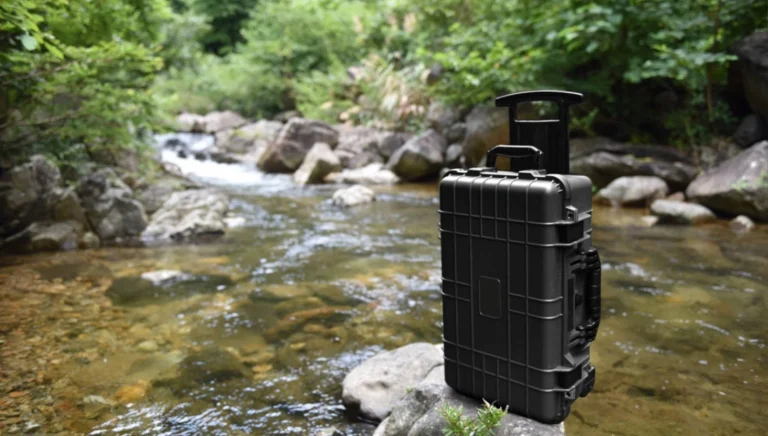
- Étui pour arme IP67
Un coffre-fort certifié IP67 résiste à une immersion temporaire complète et le protège de la poussière, de l'humidité et des infiltrations d'eau qui détériorent les huiles pour armes, les traitements optiques et les crosses en bois. Il est particulièrement utile si le coffre-fort est installé au rez-de-chaussée, près d'une salle de bains ou d'une buanderie : ces pièces sont plus souvent sujettes aux dégâts des eaux qu'on ne le pense.
Étuis pour armes biométriques ignifugés et étanches
La rapidité est essentielle. Lors d'un cambriolage, personne n'a envie de s'embêter avec un coffre-fort à molette comme en 1975.
Un bon coffre-fort biométrique offre :
- Accès rapide par empreinte digitale
- Espace pour plusieurs impressions
- Clavier de secours + touches de remplacement
- alertes de batterie
Les systèmes biométriques nécessitent un peu d'attention : nettoyez le capteur de temps en temps, n'utilisez pas de piles usagées et évitez de le ranger dans un coin poussiéreux de l'atelier.
Caractéristiques clés à prendre en compte avant l'achat
On ne choisit pas un coffre-fort en fonction de sa couleur. Il faut regarder ce qu'il y a à l'intérieur :
1. Classement au feu vérifié
Testé UL 72 ou ETL, minimum 60 minutes à haute température.
2. Indice d'étanchéité
De préférence IP67 pour une véritable résistance aux inondations et à la submersion.
3. Système d'étanchéité
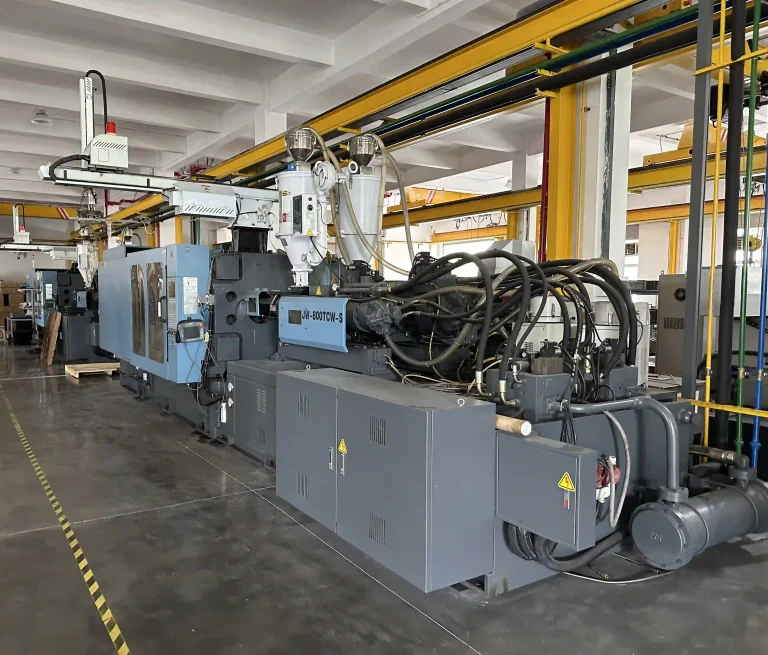
Les modèles haut de gamme utilisent des coques moulées par injection résistantes aux chocs et des bandes de caoutchouc silicone mousse ; celles-ci restent étanches même si la coque subit un choc pendant le transport.
4. Options de verrouillage
Biométrique, clavier électronique ou cadran mécanique.
Le système mécanique est lent mais fiable. Le système biométrique est rapide. Le système électronique se situe entre les deux.
5. Ajustement intérieur
Pense étui ignifugé pour arme longueArmes de poing, chargeurs, optiques de rechange, documents, disques durs de sauvegarde, bijoux… toutes ces choses que les gens finissent toujours par stocker en se demandant « pourquoi est-ce que c’est là ? ».
6. Qualité de fabrication
Acier épais, charnières renforcées, verrous multidirectionnels. Le métal bon marché se déforme plus vite que prévu.
7. Réputation du fabricant
Les marques dotées de véritables équipes d'ingénieurs ont tendance à obtenir de meilleurs résultats sur le long terme.
IFSTAR Cases utilise des matériaux de haute qualité, un moulage par injection moderne et propose un échantillonnage rapide (24 à 72 heures) et une livraison en 15 jours, pratique pour les commandes urgentes.
Où ranger un étui à fusil ignifugé et étanche chez vous
Certes, la fonction principale du coffre-fort est de protéger les armes à feu, mais il devient rapidement un coffre-fort pour tout le reste :
- Testaments
- titres de propriété
- Passeports
- Bijoux
- clés USB
- Souvenirs de famille
Un client a plaisanté en disant que son coffre-fort contenait « plus de reçus et de photos de bébé que de fusils ». C'est probablement vrai dans de nombreux foyers.
Conseils d'entretien que l'on oublie souvent
Rien de compliqué, juste du pratique :
- Nettoyer les surfaces avec des produits nettoyants doux
- Lubrifiez les charnières tous les 6 à 12 mois.
- Vérifiez que les joints ne sont pas fissurés.
- Remplacez les piles avant qu'elles ne soient déchargées.
- Testez occasionnellement le système de verrouillage.
- Réorganisez l'intérieur en mousse lors des changements de vitesse.
Un coffre-fort jamais vérifié finit par se transformer en une boîte métallique renfermant des surprises.
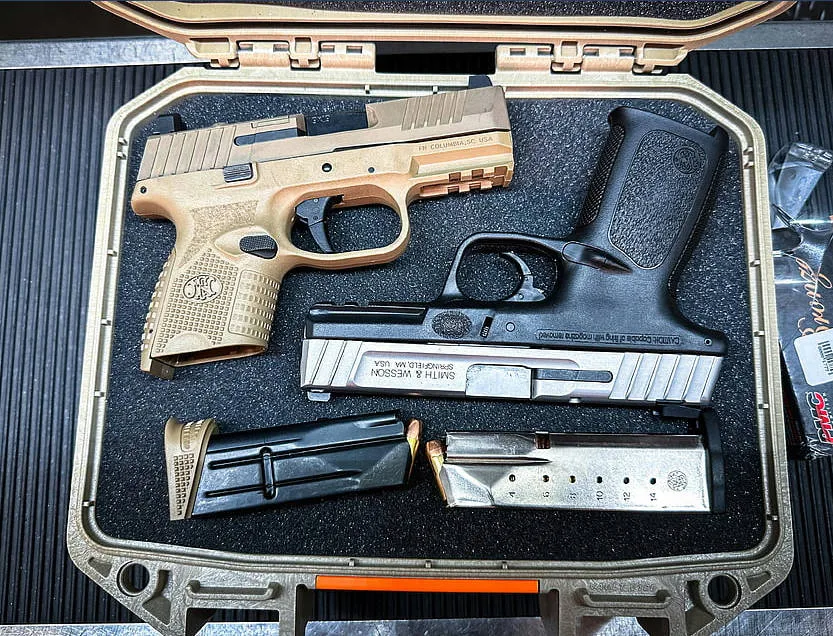
Un étui à armes qui protège réellement vos armes à feu remplit trois conditions :
- Ignifugé (homologué UL/ETL)
- Étanche (de préférence IP67)
- Verrouillage sécurisé et à accès rapide
L'absence d'un seul de ces éléments crée un point faible.
IFSTAR Cases conçoit des valises robustes, conformes aux normes industrielles, et peut expédier rapidement des échantillons – un atout précieux pour adapter les solutions de stockage aux différents niveaux de risque ou environnements. En cas d'urgence, un système de stockage adéquat peut faire toute la différence entre tout perdre et préserver l'essentiel.
FAQ
Q: Qu'est-ce qu'un véritable étui à fusil ignifugé et étanche ?
A: Un modèle avec des cotes de résistance au feu UL/ETL (60 minutes ou plus) et une protection étanche IP67, capable de supporter une chaleur extrême et une exposition totale à l'eau.
Q : Ignifugé ou étanche ? Quel étui à arme est le plus important ?
A : Les deux. Les incendies sont presque toujours suivis d'eau. Un coffre-fort ignifugé peut tout de même se remplir d'humidité et endommager les armes à feu ou les optiques.