
How Does Roto Molded Case Manufacturing Maintain Long-Term Performance?
The Science Behind Roto Molded Case Production
Roto molded case manufacturing is an innovative plastic shaping method. It employs heat and steady rotation to spread polymer material evenly inside a mold. This process ensures uniform material distribution throughout the case. As a result, it forms a smooth build without seams or weld marks. The final product is a durable, seamless structure that can handle ongoing strain and outside blows.
Products made using rotational molding are lightweight. They offer strong water resistance. Plus, they endure high and low temperatures well. They also stand up to impacts. This smooth forming process boosts structural strength by removing weak spots. Therefore, roto molded cases suit tough tasks like industrial shipping, defense work, and outdoor missions.
The turning action lets melted plastic cover the mold evenly. Thus, it creates even wall depth. Unlike injection molding, this process skips high pressure. So, it yields parts with steady density and less inner stress. In turn, the case keeps its form and function even after many years of service.
Why Roto Molded Cases Resist Deformation Over Time
Even material spread is key to stopping deformation. When plastic cools evenly, inner strain drops. This lowers chances of bending or splitting due to temperature shifts.
Strong air sealing, high toughness, and great bounce-back in the box mean no lasting shape changes. Bolstered corners from rotational molding are usually 15–20% thicker than other areas. They add more firmness where hits often happen. This setup helps roto molded cases stay stable long-term. Even with shakes or heavy weights, they hold up.
.webp)
The Material Composition That Defines Roto Molded Case Durability
How Material Selection Impacts Roto Molded Case Longevity
The lasting power of a roto molded case relies mostly on its material makeup. High-density polyethylene (HDPE) is often chosen for its fine mix of power and bendability. It fights cracking under pressure. Also, it works well in broad temperature spans.
From box materials to hardware, corrosion-resistant materials can operate reliably in temperatures ranging from -55°C to 70°C. UV-resistant additives stop fading or stiffness from sun exposure. Meanwhile, chemical resistance keeps it dependable in harsh spots like petrochemical or sea settings. For OEM/ODM services, we IFSTAR Cases highlight custom processing to meet specific needs.
The Role of Material Thickness in Roto Molded Case Performance
Even wall depth is a top benefit of rotational molding. It gives balanced mechanical power across the whole build. So, no one spot turns into a weak link under force. Thicker parts at corners soak up hits well without harming overall strength.
The corner of the product formed by special process is 15%-20% thicker than the surface, which proves that the material utilization efficiency is the highest. Steady thickness in each production run also ensures reliable function for every unit made.
Weather Resistance in Roto Molded Case Design
How Roto Molded Cases Withstand Extreme Environmental Conditions
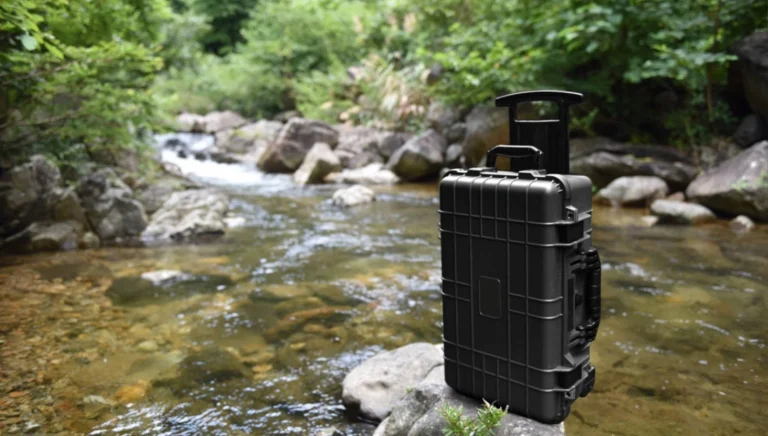
Roto molded cases are built for lasting in open air and rough weather. They have tight seals that block water entry during rain or tested to meet IP67 waterproof up to standards.
It features an IP67 waterproof rating, meaning it’s completely sealed against dust and can withstand being submerged in 1 meter of water for up to 30 minutes. Temperature-tolerant polymers keep their give from freezing cold to hot deserts. They avoid breaking or stiffening. Dust-proof build also guards against sand or grit. This keeps sensitive gear clean in tough spots.
Enhancing UV and Corrosion Resistance in Roto Molded Cases
UV stabilizers mixed into polyethylene block color loss and surface wear from long sun contact. Metal parts like hinges or catches get anti-rust coatings. These fight rust in sea shipping or damp air.
From box materials to hardware, corrosion resistant materials can be shipped to any low temperature -55°C, high temperature 70°C place in the world. These traits allow ongoing outdoor use without losing protective power. Our OEM/ODM options emphasize tailored processing for better weather endurance.
Engineering Precision for Consistent Roto Molded Case Performance
Quality Control Measures in Roto Molded Case Manufacturing
Every roto molded case faces careful size checks to confirm evenness on all sides. Pressure tests verify air-tight sealing. Drop tests mimic real-life hit situations.
Photos of cryogenic test process and photo of constant frequency vibration test process demonstrate product reliability under extreme conditions. Auto tracking systems watch heat cycles in making. They ensure steady polymer flow and setting quality batch after batch.
Design Optimization for Functional Reliability of Roto Molded Cases
Current CAD tools let engineers fine-tune inner shapes and weight spread in mold planning. Structural ribs strengthen main load spots. Ergonomic shapes boost handling ease without cutting strength.
The military safety protection box is made of imported polymer material and processed by the most advanced one-time molding production process. Such tweaks promise both working dependability and easy use in fields like aerospace, telecom, medical shipping, and quick response.
Customization Options That Enhance the Value of a Roto Molded Case
Tailoring a Roto Molded Case for Industry-Specific Applications
Roto molded cases can get custom insides with exact-cut foam pads. These shield fragile tools like sensors or medical gear in travel.
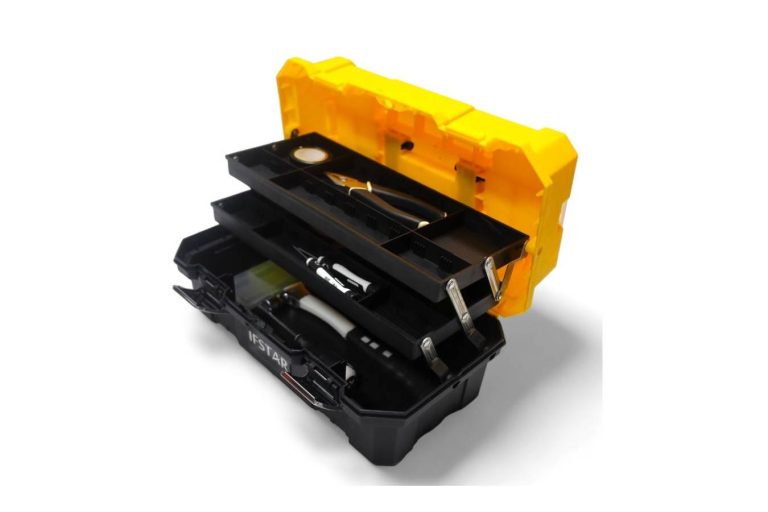
Various foam options can be chosen; easy-to-carry designs suit holding guns, computers, medical instruments, large equipment, photographic equipment, maintenance tools, emergency supplies. Special sections fit exact setups, such as rack electronics or field sets. Branding adds like logo stamping or color fits give pro looks for business or army needs. Through OEM/ODM, we focus on custom processing for unique industry fits.
Integrating Advanced Features Into Modern Roto Molded Cases
High-tech add-ons include auto pressure release valves. They even out inner air shifts during height changes. This is vital for air shipping. Locking setups secure storage in transit.
Watertight breather valve automatically balances differential pressure optional; dual-point locking system includes two keys compatible with standard padlocks. Stackable builds with strong top and bottom panels save space when units stack.
Sustainable Practices in Roto Molded Case Manufacturing Processes
Eco-Friendly Materials Used in Roto Molded Cases
Sustainability matters more in today’s making plans. Many makers use recyclable polymers in roto molded goods. This cuts eco impact at end of life.
Environmental protection recyclable materials are used; waste material from production is often reprocessed into new cases; simple maintenance ensures long service life with high cost performance. Low-waste forming tech also cuts energy use in cycles. It keeps quality under ISO9001 checks.
.webp)
Extending Product Lifespan Through Repairable Design of Roto Molded Cases
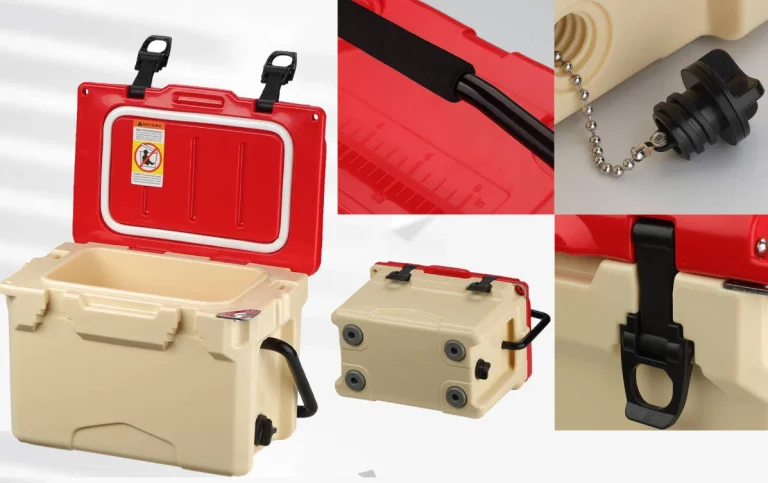
Building cases with swappable hardware aids green reuse. It avoids tossing after small harm. Swap locks, edge guards, or pressure valves stretch use without full redo costs.
Available parts include foam inserts, lock mechanisms, corner protectors, pressure valves ensuring easy maintenance for long-term reliability. Modular builds ease fixes. Tough materials cut waste via longer work life. OEM/ODM services support custom processing for sustainable tweaks.
小さなケース - イフー
Q: What makes a roto molded case more durable than other types of cases?
A: A roto molded case achieves superior durability because rotational molding creates even wall thicknesses without seams or joints found in injection-molded alternatives—resulting in exceptional impact resistance and long-term structural stability.
Q: How does a roto molded case maintain weather resistance over years of use?
A: These cases combine UV-stabilized materials with watertight seals rated up to IP67 standards plus corrosion-resistant metal hardware that collectively defend against moisture ingress, sunlight damage, dust accumulation, and extreme temperatures ranging from -55°C to 70°C.
Q: Are roto molded cases environmentally sustainable?
A: Yes—manufacturers increasingly adopt recyclable polymers along with energy-efficient molding methods that extend product life cycles while minimizing waste generation through repairable designs and reusable components certified under recognized environmental standards such as RoHS compliance from IFSTAR Cases products’ manufacturing system certifications.
 Japanese
  English
  French