フォームで保護されたカメラケースが機材の安全性を高める方法
写真家にとってフォーム保護付きカメラケースが重要な理由
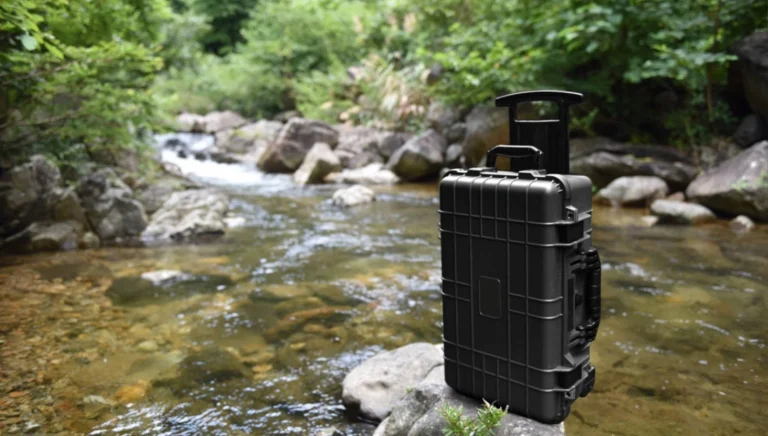
プロの写真家にとって、旅行中や屋外での撮影中に繊細な機材を保護することは非常に重要です。フォームで保護されたカメラケースは、衝撃を吸収し、レンズ、センサー、その他の精密部品を損傷する可能性のある外部からの力に耐えます。フォームインサートは、物理的な衝撃に対する重要な緩衝材として機能します。そのため、乱暴な取り扱い状況でも、内部の機材は安全に保たれます。
このフォームは、移動中の揺れや衝撃による損傷も防ぎます。これは、でこぼこした路面を走行する際や、飛行機の貨物室での移動時に特に重要な点です。特注のフォーム構造により、ケース内部にぴったりとフィットし、内部のずれを軽減します。この特注方式は、他の業界で使用されている頑丈な保護材に似ています。例えば、独立気泡フォームは水をはじき、湿気を吸収しません。錆や腐食を防ぐ効果もあります。これらの特長により、湿気や突然の水濡れが機材に影響を与える可能性のある屋外の撮影場所を頻繁に移動する写真家にとって、このケースは理想的な選択肢となります。
発泡材で保護されたカメラケースが組織効率に果たす役割
安全性に加えて、フォームで保護されたカメラケースは、機材を整理整頓し、効率的に作業を進めるのに役立ちます。専用の仕切りによって機材がしっかりと固定され、取り出しやすくなっています。バッテリー、フィルター、ケーブルなどのアイテムを素早く見つけることができます。この構造により、撮影中に紛失しやすい高価な小型アクセサリーを紛失するリスクを軽減できます。
整然としたデザインにより、セッション中のセットアップと片付けの時間が短縮されます。これは、厳しい締め切りの中では非常に重要です。多くのメーカーは精密な成形方法を使用しています。 カスタムオプション サイズ、形状、色、フォームインサート、そしてブランドロゴまで、あらゆるニーズに合わせてカスタマイズ可能です。そのため、すべての機材がケース内で専用の収納スペースを確保できます。これにより、複数のカメラ本体とレンズを同時に扱うプロの作業効率が向上します。

発泡材で保護されたカメラケースに使用される発泡材の種類
カメラケースにおけるポリエチレン(PE)フォームの利点
ポリエチレン(PE)フォームは、保護ケースにおいて最も丈夫な素材の一つとして際立っています。耐薬品性、耐湿性に優れ、衝撃吸収性も抜群です。独立気泡構造により水の浸入を防ぎ、IP67/IP68等級などの国際規格を満たす防水ケースに最適です。 IFSTAR事例 IP67/IP68(防水・防塵)およびMIL-STD-810G(軍用規格の耐衝撃性)の基準を満たしています。これらの認証は、PEフォームライニングのカメラケースが、天候や物理的な衝撃に対して最高の強度を備えていることを示しています。
カメラ保護におけるポリウレタン(PU)フォームの利点
ポリウレタン(PU)フォームは、PEフォームよりも柔らかいクッション性を提供します。一眼レフカメラのセンサーやミラーレスカメラのボディなど、繊細な光学部品に適しています。オープンセル構造のため柔軟性があり、さまざまな形状やサイズの機材にフィットします。PUフォームのライニングは、安全性だけでなく見た目も重要なディスプレイ品質のアルミケースによく使用されています。カスタムフォームの内装は、仕上げのアクセントとして最適です。標準的なアルミケースをOEM機器・計測器ケースに変えることができます。この柔軟性により、写真家はプロレベルの外観と機材の確実な保護の両方を実現できます。お客様のニーズに合わせたカスタム構成のオプションもご用意しています。
特定のカメラケース用途においてEVAフォームが好まれる理由
EVA(エチレン酢酸ビニル)フォームは、柔軟性と耐衝撃性を兼ね備えています。軽量でありながら、大きな衝撃エネルギーにも耐え、損傷を受けにくいのが特徴です。これは、手持ちや車内での持ち運びが多いカメラケースにとって非常に重要な要素です。また、EVAの滑らかな表面は、ケースのデザイン性を高めつつ、長期間の使用にも耐える強度を維持します。メーカーは、安全性を損なうことなく軽量化が重要な小型トラベルモデルにEVAを採用しています。
発泡材で保護されたカメラケースの製造工程
カスタムフォーム保護カメラケース用機器マッピング
最高品質のフォーム保護カメラケースの製造は、綿密な機器マッピングから始まります。各パーツのサイズと配置を確認し、ケース内部に完璧にフィットするようにします。ハイテク3Dスキャナーでミリ単位のディテールを計測し、最適なレイアウトを実現するために設計ソフトウェアに入力します。IFSTAR Casesでは、厳格な強度と機能性の基準を満たすために、最高品質の素材と最新の製造方法を採用しています。この綿密な工程により、無駄なスペースを排除し、レンズやフラッシュユニットなどの重要な部分の周囲に十分なパッドを確保します。
カメラケースのニーズに合った適切なフォーム材の選び方
最適なフォームの種類を選ぶには、写真家がケースをどのように使用する予定かを考慮する必要があります。スタジオへの毎日の持ち運びや、防水性と耐衝撃性が必要な過酷な屋外旅行などが考えられます。アルミニウムで補強された高耐衝撃性ABS樹脂シェルは、強い衝撃にも耐えます。最大500ポンドの耐圧性を持ち、極端な温度(-20°F~150°F)でも機能します。たとえば、PEフォームは、重量に耐える頑丈な構造が必要なハードシェルタイプに適しています。一方、PUフォームは、アルミニウムハウジング内部のソフトタッチのニーズに適しています。
発泡スチロールケース製造におけるCNCまたはウォータージェット切断技術
CNC加工やウォータージェット切断などの精密な切削工具を用いて、製造工程で発泡インサートを成形します。各部品に正確な溝が作られ、グループ全体の品質が安定します。また、安全性を損なう可能性のある手作業による切断ミスも排除されます。精密成形とCNC加工により、出荷前に100%の品質管理検査を実施し、厳しい品質基準を維持します。その結果、各アイテムの形状にぴったりと合う内部構造が完成します。見た目の美しさと、移動中のしっかりとした保持力の両方を実現します。
2026年規格に準拠した、発泡材で保護されたカメラケースを使用するメリット
カメラケースに先進素材を採用し、耐久性を向上
素材技術が2026年レベルに進化するにつれ、メーカーは余分な厚みを加えることなく長寿命化を実現するため、新しい素材をデザインに取り入れています。現在の安全設計では、ポリマー製のシェルとアルミニウム製のフレームを組み合わせています。これらは、圧縮後すぐに元の形状に戻る高密度フォームと組み合わされています。これらの取り組みは、RoHS指令やREACH規則といった世界の環境規制に準拠しています。また、IFSTAR Cases Productsのカタログにあるように、MIL-STD-810G認証のような軍用規格レベルの強度も維持しています。
最新のフォーム保護カメラケースにおける、より洗練されたデザインオプション
機材をブランドイメージの一部と捉えるプロにとって、見た目は今や非常に重要な要素となっている。メーカーは、外装シェルや内装パネルにスクリーン印刷で特注カラーコーティングやロゴ刻印を施している。サイズ、形状、カラー、フォームインサート、ブランディングオプションもカスタマイズ可能だ。スタイリッシュなデザインはブランドイメージを高めるだけでなく、似たようなケースが多数存在する撮影現場や出張先で、自分の機材を際立たせる効果もある。

写真撮影機材に最適なフォーム保護カメラケースの選び方
発泡材で保護されたカメラケースを選ぶ際に考慮すべき要素
適切なフォーム保護カメラケースを選ぶ際には、写真家は自分のニーズを検討する必要があります。機材の種類、旅行の要件、天候のリスク、予算の制限について考えてください。IP67 の防水シールなどの特性は、すべての埃をブロックします。最大 1 メートルの深さまで浸水できます。この仕様はプロレベルの安全ボックスから来ています。IP67 の防水等級があり、完全に埃から密閉され、最大 30 分間 1 メートルの水に浸かっても耐えることができます。その他のポイントには、安全な航空旅行のためのロックフィットがあります。IFSTAR Cases 製品ラインの多くのモデルには、航空会社の規則に基づいて、標準的なロックまたはキー用の TSA 承認ラッチがあります。
発泡材で保護されたカメラケースとその他の保護オプションの比較
通常のパッド入りバッグや布地だけのソフトバックパックとは異なり、硬質シェルフォームで保護されたカメラケースは、圧迫や悪天候に対して比類のない構造を提供します。内部は調整可能で、新しいレンズやアクセサリーを追加する際にセットアップを変更できます。ソフトバッグは固定されたステッチパターンのため、長期間にわたってこのような変更に耐えることはほとんどありません。さらに、軍用安全保護ボックスは、高度な一体成形生産プロセスで加工された輸入ポリマー素材で作られています。強力な耐衝撃性、緩衝衝撃吸収性、耐熱性、難燃性を備えています。これらの構造上の工夫により、2026年の変化する安全の世界において、プロが貴重な光学機器を保護するために、布製のオプションよりも精密にカットされたフォームを備えた硬質ケースに移行する理由が説明できます。 しっかりとした作りのカメラケース IFSTAR Casesの製品は、確実な保護性能を保証します。
よくある質問
Q:2026年までに、写真家にとって発泡材で保護されたカメラケースが不可欠になる理由は何ですか?
A:フォームで保護されたカメラケースは、繊細な機材を衝撃から守り、整理整頓にも役立ちます。IP67/IP68やMIL-STD-810Gなどの規格に適合しており、旅行中や野外作業中の安全性を確保します。IFSTAR Casesのカスタムフォームインサートオプションを使用すれば、フィット感と効率性をさらに向上させることができます。
Q:さまざまな種類のフォームは、カメラの保護にどのようなメリットをもたらしますか?
A:ポリエチレン(PE)フォームは、耐湿性と耐久性に優れ、過酷な使用環境にも耐えられます。ポリウレタン(PU)フォームは、繊細なセンサーを保護するための柔らかなクッション性を提供します。EVAフォームは、携帯性に優れたケースにおいて、軽量性と耐衝撃性のバランスを実現します。これらのフォームを組み合わせることで、ニーズに合わせた高品質なカメラケースが完成します。
Q:発泡材で保護されたカメラケースを選ぶ際に考慮すべき点は何ですか?
A:機材のサイズ、旅行時の状況、防水性(IP67規格)やロックなどの機能を評価しましょう。構造的な保護性能を高めるために、ソフトバッグと比較検討してください。IFSTAR Casesは、お客様の写真撮影ニーズに合わせて、カスタムサイズ、形状、ブランディングなどのオプションをご用意しています。