The Evolution of Cooler Box with Wheels and Rolling Tool Chest Concepts
How has Workshop Mobility influenced the Design of the cooler box with Wheels?
The development of the cooler box with wheels shows a change from fixed storage to easy moving use. Early coolers worked as still containers that focused only on keeping things cold. But as people spent more time outside and needed things easy to carry, makers started to add ideas from workshop moving systems like rolling tool chests. These setups focus on smooth motion, easy grips, and strength when loads get heavy.
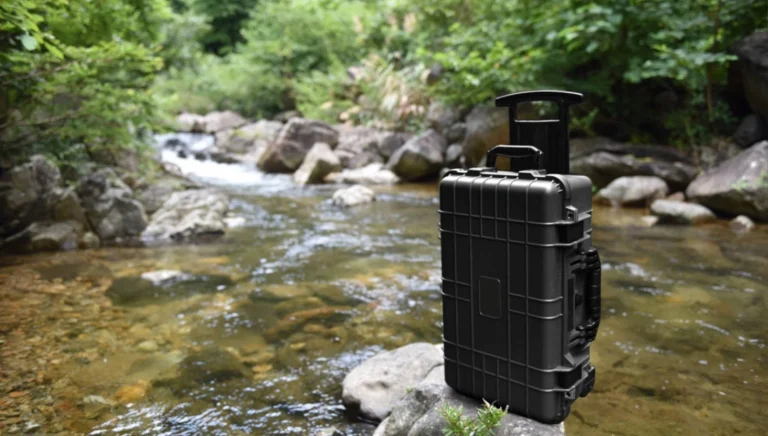
Ideas from rolling tool chest ergonomics, such as handles that adjust, wheels set for balance, and frames made stronger, have changed the cooler design in big ways. The move follows how workshops made workflow better with easy motion. Outdoor storage now gains the same kind of freedom. Makers use tough materials like high-impact polypropylene (PP) and ABS plastics in cooler boxes because they hold up well and resist weather. Our cases are made from high-impact polypropylene(PP), ABS, or composite plastics, offering superior durability, chemical resistance, and protection against drops, dust, and water. This mix keeps portable coolers working well in rough spots while they still hold cold air inside.
What Makes a Rolling Tool Chest an Inspiration for Outdoor Storage Solutions?
A rolling tool chest shows clear ways to sort items and use space well. These points now guide new outdoor storage, like the Top 10 Best Insulated Boxes with Wheels. Mechanics count on these chests to reach tools fast and in order. Outdoor users want the same quick reach for food or gear kept in cold sections.
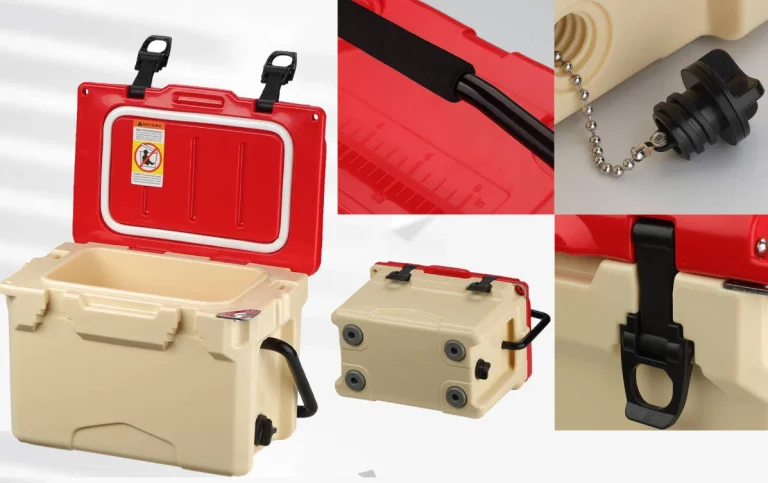
The strong build of workshop chests keeps them steady under big loads. This idea moves right into cooler box design with molded supports that stop bending when the unit travels. Lockable wheels and handles that slide out, common on pro tool chests, now show up on top cool boxes on wheels. It features 4 heavy-duty inline skate-style wheels with smooth-rolling bearings, designed for easy transport over various surfaces. These updates give both steady hold and smooth rolls on many ground types.
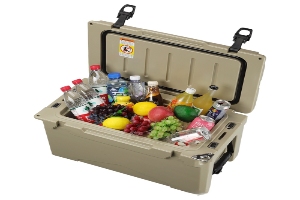
Comparing Functionality: Cooler Box with Wheels vs. Rolling Tool Chest
What Functional Parallels Exist Between a Cooler Box with Wheels and a Rolling Tool Chest?
Both share main build rules: easy carry, steady stance, and control of weight. A cool box on wheels needs to stay level when full of ice or drinks. A rolling chest must do the same when full of tools. Strong corners, tight seals, and solid hinges keep inside items safe from hits or weather. The case carries an IP65 rating, meaning it’s Dust-tight (complete protection against dust ingress) and protected against water jets (water projected by nozzle from any direction). These seal rules now appear in cooler builds to fight the weather better.
Heavy workshop caster setups have led to wheel groups that cross gravel or grass without losing easy turns. This matters a lot for people who use coolers outside.
How Do Material Choices Affect Performance in Both Systems?
The choice of materials sets how long each type lasts. Thick polymers give hit resistance and keep insulation strong in coolers. Inside supports, like ribbing from industrial cases, stop bending when weight presses down. The high-impact ABS plastic shell with aluminum reinforcement can withstand Heavy impacts Crush resistance up to 500 lbs Extreme temperatures (-20°F to 150°F). Parts that fight rust last whether they face damp workshops or salty air near the sea.
Engineering Insights: Applying Workshop Mobility to Cooler Box with Wheels Design
How Can Workshop Mobility Principles Improve the Efficiency of Outdoor Storage?
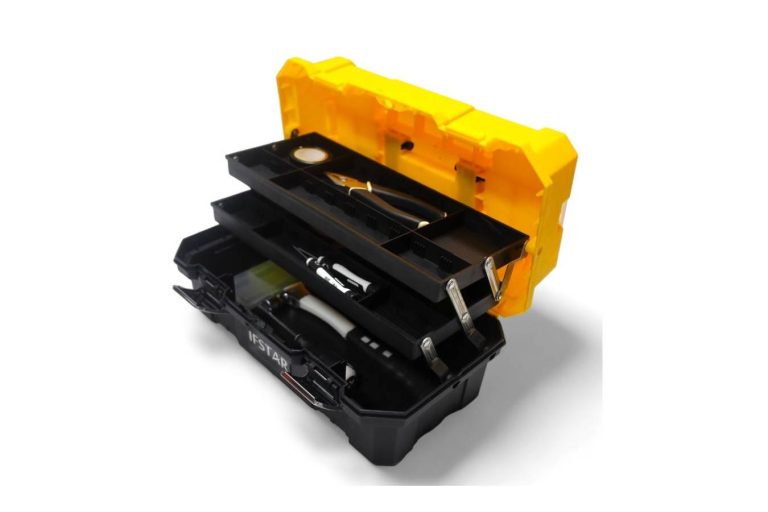
Taking workshop motion ideas makes the reach and daily use better. Drawer-style sort plans, taken from rolling drawers toolbox organization mechanics, can fit into coolers with many sections. This keeps food and dry goods apart. Wheel guide systems help grip on bumpy ground. Weight placed in the middle cuts the chance of tipping when the unit moves.
These small changes turn the modern cooler box into more than a simple holder. It becomes a full moving system, good for work sites or fun trips.
What Role Does Ergonomics Play in the Design of Mobile Outdoor Storage?
Ergonomics sets how easy the unit feels during long use. Handle spots give good leverage without strain on wrists. Large wheels cut roll effort on sand or stone. Tests with users follow the same checks used when tool chests are built, where safe motion matters most.
Durability, Portability, and Practicality in Cooler Box with Wheels Systems
How Does Durability Define the Long-Term Value of a Cooler Box with Wheels?
Durability sets the real cost over time. Shells with extra support pass hard hit tests like those for military cases. The case includes: 50mm thick closed-cell foam lining, four-point suspension system, MIL-STD-810G certified impact protection. Seals that block weather, taken from tough enclosures, keep rain and sun from harming the unit. Wheels that need no care help the cooler last in many climates, from hot deserts to cold trips.
Why Is Portability a Key Benchmark Borrowed from Rolling Tool Chests?
Easy carry stays a main test for both product types. Smooth motion over rough ground without tipping matches what workshops expect for safe use. Handles that pull out, copied from pro tool chests, give better control while moving. Fold-flat shapes save space when the cooler is stored.
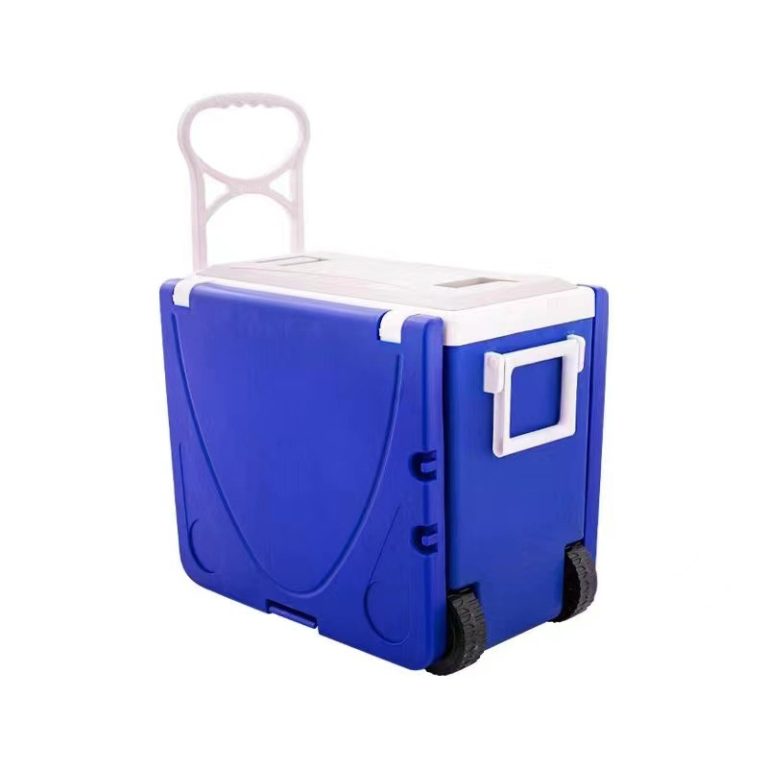
The Role of IFSTAR Cases in Innovating the Cooler Box with Wheels Technology
How Has IFSTAR Cases Integrated Workshop Mobility Features into Its Designs?
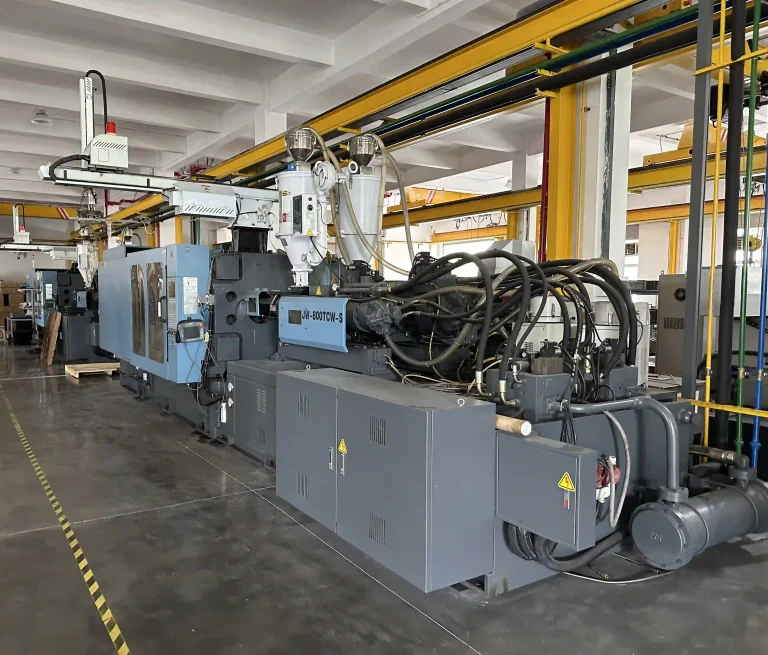
At IFSTAR Cases, we built hybrid storage units that join cooling tech with strong motion builds taken from rolling tool chests. Modular inserts let one unit work as both a cold holder and a gear carrier, based on what the user needs at the time.
We add wheels made with care to pro standards. They roll smoothly even when the load tops 90 lbs per unit, like our industrial transport cases built for heavy jobs.
Future Trends in Cooler Box with Wheels Inspired by Workshop Innovations
What Future Developments Could Shape the Next Generation of Mobile Outdoor Storage?
New designs will likely use smart motion systems with sensors. These track cold levels and ground steadiness while the unit moves. This links IoT tools with real motion comfort. Light mixes of polymer shells and aluminum frames will give better strength for the weight than models now in use.
Teams from outdoor gear and industrial fields will keep working on insulation that uses less energy. This shows up across Types of cooler boxes and opens up uses past leisure into medical runs or quick response work.
FAQ
Q: What are the main advantages of using a cooler box with wheels compared to traditional coolers?
A: A cooler box with wheels gives better motion. Users can move heavy loads across many ground types while the inside stays cold thanks to strong insulation like that in tough industrial cases.
Q: How does IFSTAR Cases improve the performance of its cooler box with wheels through workshop-inspired design?
A: IFSTAR Cases uses rolling tool chest build rules such as strong frames, easy grips, and tough wheel sets. This creates outdoor storage that works like pro gear carriers in technical fields.
Q: Can a cooler box with wheels function effectively on rough or uneven surfaces?
A: Yes. Models with large wheels, balanced weight, and a solid frame handle rough ground well. This comes from ideas seen in what are the benefits of a rolling tool chest over a stationary one?
Q: What materials are most effective for constructing a durable cooler box with wheels?
A: High-impact polymers plus parts that fight rust give the best mix of strength, cold hold, and weather life. This holds true across Cooler box sizes, from small 35QT units to large 480QT models.
Q: Are cooler boxes with wheels suitable for professional fieldwork or industrial applications?
A: Yes. Their strong build, sort options, and easy carry make them fit for pros who need solid mobile storage outside or on site. This matches work done by IFSTAR Cases in high-performance protective gear for defense, aerospace, electronics, and instrumentation fields.