Why Does Lunch Warm Up During the Day?
The Science Behind Temperature Rise in Packed Meals
Lunch warms up slowly. Heat moves between the food and the air around it. Conduction, convection, and radiation drive this change. A lunch box picks up warmth from the room or the sun. Heat flows into the cooler food until both reach the same temperature. Dense and moist foods hold their chill longer. Water inside them resists quick shifts in heat.
Room temperature matters. Sunlight will add warmth – particularly to dark objects. The flow of air around a box will increase the rate of heat gain. Even the best packing cannot compete with the lack of solid insulation when conditions are warm.
Common Mistakes That Cause Lunch to Lose Its Cool Quickly
People often pack warm food next to cold items. This raises the inside temperature fast. Thin plastic boxes let heat pass through with ease. Opening the box many times lets warm air enter and breaks the cool balance.
How to Keep Lunch Cool All Day Without Refrigeration
Effective Packing Techniques for Temperature Control
Start with cold food and drinks. Cold items take in less outside heat. Place perishable foods between cooling packs for lunch boxes. This spreads the chill evenly. Airtight containers cut down on airflow and slow heat transfer.
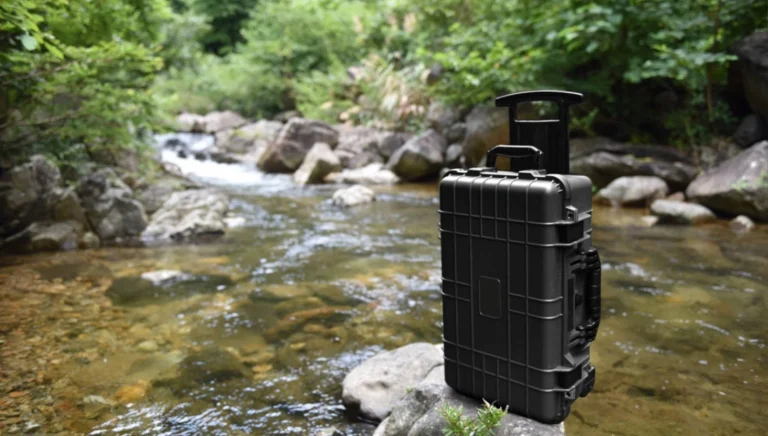
Professionals need strong insulation. Materials like those in industrial cases give steady results over long shifts.
Choosing the Right Cooling Packs for Lunch Boxes
The choice of cooling packs for lunch boxes decides how long food stays fresh. Gel packs hold steady cold for hours. They release chill slowly. Ice substitutes avoid extra moisture in sealed boxes. Phase-change materials work best for long outdoor use. They keep exact temperatures even when the air changes.
Optimizing Insulation Layers in Soft Lunch Bags
Soft coolers depend on good layers. Reflective liners bounce sunlight away. Foam layers block heat from moving inward. Tight zippers stop warm air from entering. These ideas match those in tough protective cases built for harsh conditions.
What Makes a High-Performance Lunch Cooler Different?
Comparing Hard vs. Soft Lunch Coolers for Daily Use
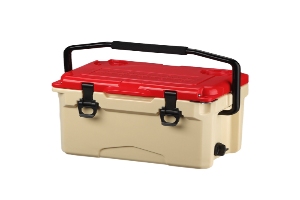
Hard coolers insulate better and last longer without power. They suit travel or field work. Soft coolers weigh less and bend to fit school or office needs. Hybrid versions mix both traits with a firm core inside a flexible shell.
Evaluating Insulation Materials Used in Modern Lunch Coolers
Foam Insulation Technologies
Closed-cell polyethylene foam traps air and blocks heat. Polyurethane foam adds strength and cuts heat paths. Both appear in top models that need both toughness and good chill retention.
Advanced Barrier Layers and Seals
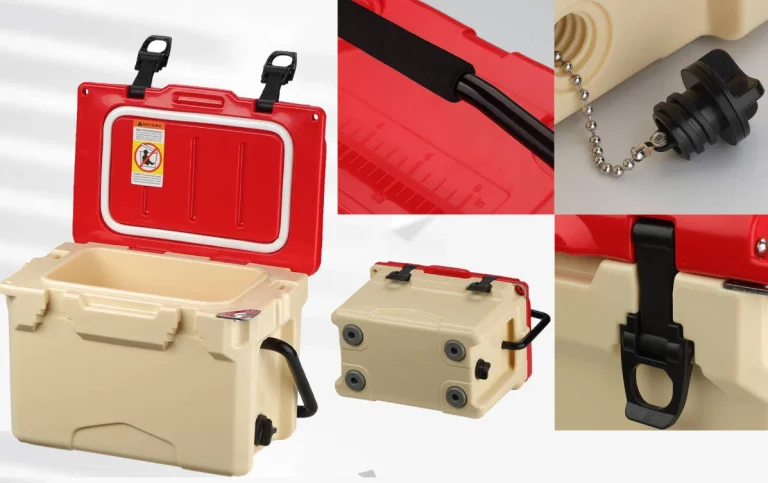
Strong lunch coolers use gasket seals to limit air leaks. Reflective coatings inside reduce heat from the sun during outdoor time.
How Do Manufacturers Like IFSTAR Cases Design Efficient Lunch Coolers?
The Engineering Principles Behind IFSTAR Cases’ Cooler Construction
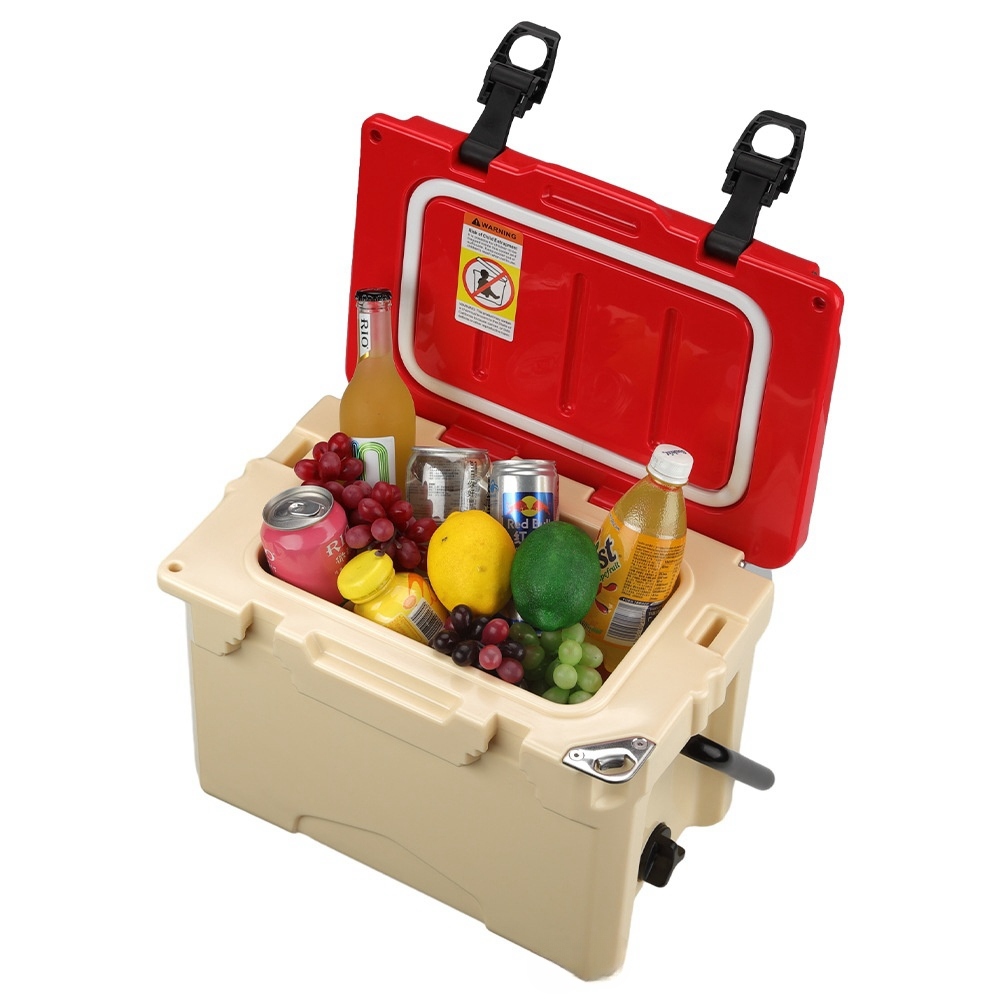
We treat every lunch cooler as a balanced system. Designs focus on space and fewer heat paths. Materials stay light yet strong. Users gain easy carry and solid defense against outside heat.
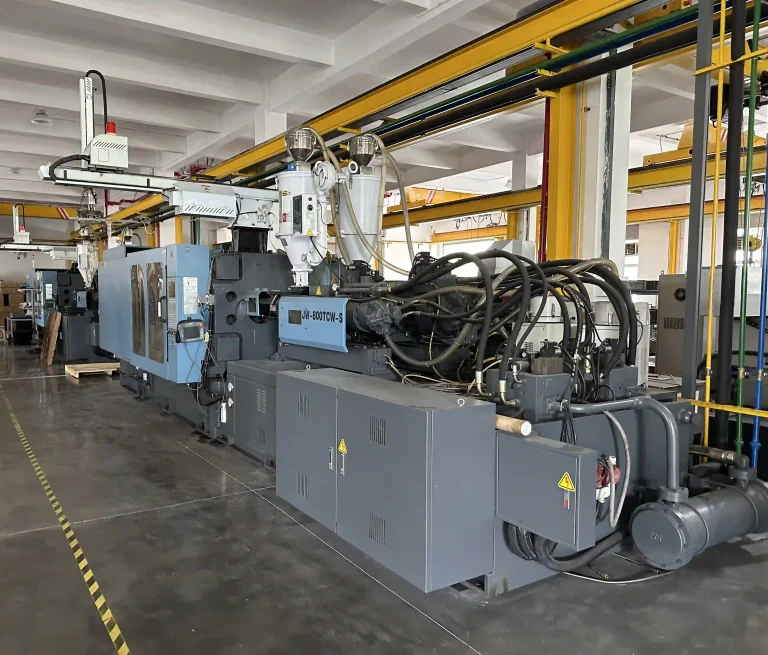
IFSTAR Cases started in 2009 in Yiwu City, Zhejiang Province, China. That molding skill shapes today’s coolers. Each one passes strict checks for steady quality.
Blow Molded vs Rotomolded Lunch Cooler Manufacturing Processes
Blow-Molded Cooler Characteristics
Blow molding creates light units for daily commutes. It supports low-cost runs and keeps wall thickness even. Results stay predictable across many units.
Rotomolded Cooler Advantages for Extended Cooling Duration
Rotomolding builds thicker, even walls. This boosts strength and chill time. It fits tough outdoor needs. Corners end up 15%-20% thicker than flat areas. This uses material well and adds lasting stability in sun or heat.
Quality Testing Procedures Adopted by IFSTAR Cases
We run full tests. Each cooler faces 24-hour chill checks that mimic real use. Drop and shake tests confirm strength in travel. Climate chamber work proves performance in different weather.
How Can Customization Improve a Lunch Cooler’s Performance?
Design Customization Options Offered by IFSTAR Cases
Functional Enhancements
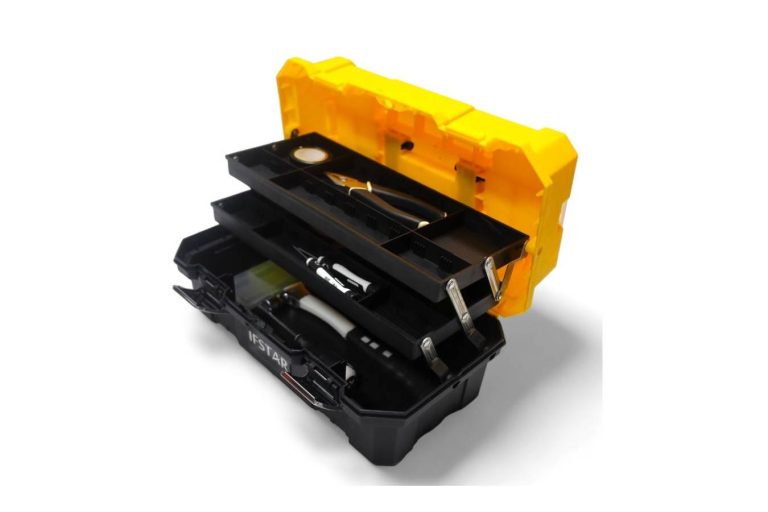
IFSTAR Cases add compartments for cooling packs for lunch boxes or tools. These keep the storage space full. Strong handles and hinges handle daily wear from industrial users.
Branding and Aesthetic Personalization
Clients pick colors, textures, or logos. The look matches the company style while production stays precise.
OEM and Private Label Opportunities in Cooler Manufacturing
OEM Collaboration Process at IFSTAR Cases
Teams adjust molds to fit client needs. Lead times stay short. CAD tools keep sizes exact. ISO9001 processes support the work. Over 100 molds stand ready for new ideas based on buyer requests.
Private Label Solutions for Retail Expansion
Private label work helps stores stand out. Options cover packs, logos, and shelf looks for global buyers.
What Should Businesses Consider When Sourcing from a Lunch Cooler Manufacturer?
Evaluating Supplier Capabilities Before Procurement
Production Capacity and Quality Assurance
Steady output meets big orders without quality drops. Fast samples arrive in 24-72 hours. Delivery takes 15 days. This speed helps buyers during busy seasons.
Compliance with International Standards
Suppliers should hold ISO9001 or CE marks. These confirm safe food-contact materials. IFSTAR Cases meet IP67/IP68, MIL-STD-810G, RoHS, and REACH rules.
Balancing Cost Efficiency with Technical Performance
Long-Term Value Assessment
Upfront price matters. Yet long-term value shows in fewer claims. High-grade materials like PP, ABS, or composites resist drops and chemicals. They build trust through steady results over time.
FAQ
Q: How can I keep my lunchbox cool all day without a refrigerator?
A: Use cold ingredients layered with cooling packs for lunch boxes. Seal them in an insulated box with few air gaps. This will help to slow down heat gain over work hours.
Q: What type of lunch cooler keeps food cold the longest?
A: Hard-sided models last longer. Rotomolded versions rank as what is the best lunch cooler choice. Their thick walls hold cold even in direct sun.
Q: Are blow-molded lunch coolers durable enough for daily use?
A: Yes. They offer good strength-to-weight balance. This makes them fit daily travel, where what is the best lunch box cooler means easy carry plus reliable chill.
Q: Can I order custom lunch coolers directly from a manufacturer like IFSTAR Cases?
A: Yes. IFSTAR Cases handles OEM work. Options include mold changes, color matches, logo work, and pack designs for your brand worldwide.
Q: What factors affect how long a cooler can keep lunch cold?
A: Insulation quality, wall thickness, seal fit, and time in warm air all matter. Proper how to keep a lunch box cool steps like pre-chilling, also help. These points matter when learning how to keep lunch cool without a fridge.