What should you verify on a gun case before heading to the airport?
Which physical construction standards matter in a TSA gun case inspection checklist?
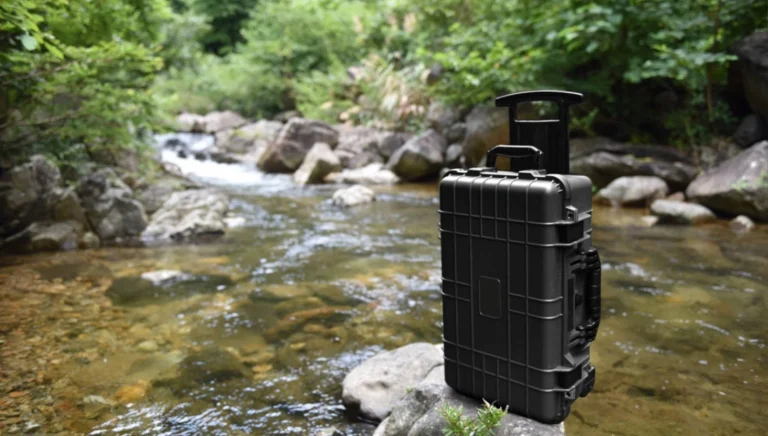
A pre-flight evaluation of TSA-approved gun cases should begin with structure, not labeling. A case must remain hard-sided under realistic baggage stress, especially at corners, seams, and hinge lines. Lightweight, strong, and durable, resistant to falling. Anti-seismic, waterproof, moisture-proof, dust-proof, heat-resistant, corrosion-resistant. That sentence is useful because TSA compliance is practical: if the shell flexes enough to permit access, the case may fail despite marketing claims.
Inspect the shell by applying hand pressure along the lid edge, lock area, and hinge side. Any crack, warping, or impact damage matters because lock integrity depends on the shell staying aligned. The body of the case is made of anti-impact engineering plastic injection molding; Shock resistance: IK08. These specifications indicate the kind of construction experts should prefer, but actual condition on travel day remains decisive.
How do lock points and closure design determine whether a gun case is TSA approved?
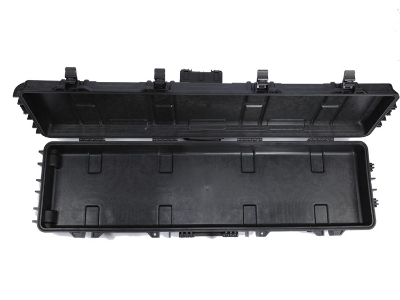
For a TSA-approved gun case evaluation, every locking point must engage fully and prevent access from any opening. The lid should close without lift, offset, or side gaps. Reinforced lock areas are especially important because deformation around the holes can undermine an otherwise solid shell. The seal lock is a single injection, which can not fall off even after suffering impact. 304 Stainless steel hasp
Control of the locked firearm case also matters. Yes, the design meets TSA requirements for firearm transportation. However, always check with your specific airline for their latest regulations. That line reflects the real workflow: TSA baseline standards apply, but the traveler must still satisfy airline handling expectations and retain control consistent with firearm declaration procedures.
How to know if a gun case is TSA approved before flying?
What makes a gun case TSA compliant in practical, inspection-based terms?
In practice, a tsa approved gun case combines rigid construction, secure lockability, and no meaningful firearm access when locked. Compliance is not created by a sticker. It depends on condition, packing method, and whether the unloaded firearm stays protected through check-in, screening, and transfer. 2. Easy to carry, suitable for holding guns, computers, medical instruments, large equipment, photographic equipment, maintenance tools, emergency supplies, etc. That sentence supports suitability for firearm transport, but suitability alone is not enough without lock performance and proper loading.
Which manufacturer details and product features should you review before relying on a tsa approved gun case?
Review shell material, reinforced edges, lock-ready design, and interior retention. Our cases are made from high-impact polypropylene(PP), ABS, or composite plastics, offering superior durability, chemical resistance, and protection against drops, dust, and water. Filled with pre-cut foam and easy to customize compartment for your equipment. Absolutely! The pre-cut pluck foam can be customized to securely hold: 2-3 rifles Pistols Magazines Scopes and accessories.
Also verify fit. The interior measures 41″ x 13.8″ x 5.2″ (adjust if different), providing ample space for most rifles with scopes and accessories. Excess movement can stress latch zones and create closure problems that convert a nominally compliant case into a rejected one.
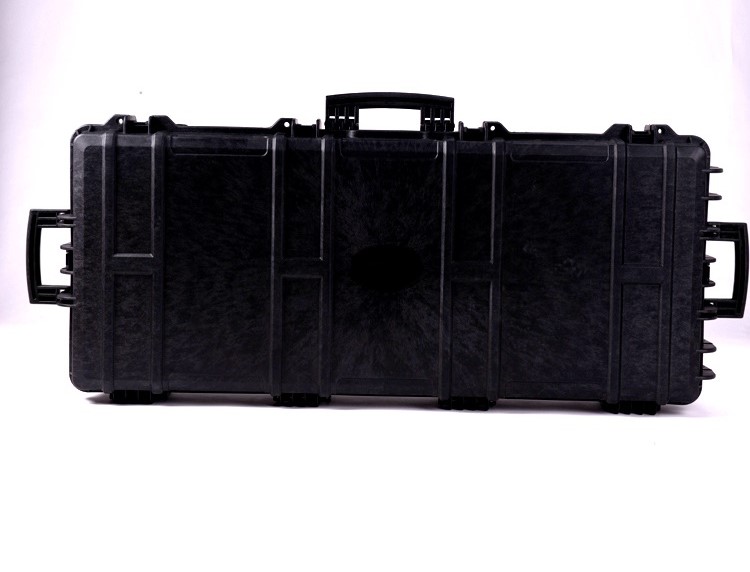
Why would TSA reject a gun case at check-in or screening?
Which common failures trigger airport rejection of a gun case TSA-approved claim?
A manufacturer’s gun case TSA-approved claim can fail at the counter for predictable reasons: soft construction, broken latches, loose hinges, distorted lock holes, and edge gaps that allow pry access. No, but it features dual locking latches, padlock holes (for standard 3/8″ padlocks), and TSA-approved lock points (locks sold separately). If those points are present but damaged, prior compliance becomes irrelevant.
Loaded firearms, poor declaration, or bad ammunition packing also create rejection risk. A hard-sided case is only one element within the broader inspection chain.
How do airline counter procedures and TSA secondary inspection affect acceptance?
Acceptance usually starts at the airline counter. Agents often identify obvious defects before screening begins. Secondary inspection then focuses on unloaded status, closure security, and whether the case can be accessed while locked. Borderline cases create unnecessary delay because operational interpretation varies by airport even when the rule set does not.
What should be included in a TSA-compliant gun case checklist for pre-flight inspection?
Which firearm, interior, and documentation checks belong on a gun case inspection before flying?
Start with the firearm itself: verify unloaded condition by visual and physical inspection of chamber, magazine well, and relevant feeding path. Then inspect retention. 9. Inside the box: position the foam plastic buffer and shock absorption system to ensure the safety and reliability of the transport parts under the condition of vibration conditions. Stable retention reduces internal shifting that can strain the lid or latches.
Keep airline guidance accessible, especially for ammunition rules and component handling.
Pre-flight inspection points to review in sequence
Inspect shell, corners, hinges, handles, and latches. Test every lock point under compression. Confirm there is no pry-open access at any edge. Recheck unloaded status immediately before locking. Verify ammunition packaging against carrier rules.
How should locks, ammunition, and final closure be checked on tsa approved gun cases?
Use locks that fit tightly with minimal play. After locking, compress the lid from multiple sides and attempt controlled hand flex at each edge. Finish with a shake test. Perform a final shake and compression test to confirm the contents remain stable, and the case stays secure.
Which design features make tsa approved gun cases more reliable for repeat travel?
How do material strength, seal integrity, and internal retention improve compliance consistency?
Repeat travelers favor shells that resist twist, hinges that stay aligned, and interiors that hold optics and components without drift. The high-impact ABS plastic shell with aluminum reinforcement can withstand heavy impacts, crush resistance up to 500 lbs, and extreme temperatures (-20°F to 150°F). The included closed-cell foam is water-resistant and won’t absorb moisture, helping prevent rust and corrosion.
Why do frequent travelers evaluate inspection efficiency as well as security?
An expert setup must also inspect well. Cases that open cleanly, present contents clearly, and relock quickly reduce counter friction and improve consistency across repeated flights.
How can IFSTAR Cases help reduce rejection risk with a stronger pre-flight process?
Which case-selection and inspection habits support a more dependable travel setup?
We advise matching firearm dimensions to internal dimensions, reinspecting before every trip, and replacing worn foam or compromised locks before departure. We utilize the highest quality materials and advanced manufacturing techniques to ensure that each case meets stringent durability and performance standards. We supply replacement latches, seals, foam inserts, and other accessories.
What should experts compare when evaluating an IFSTAR Cases option for air travel?
We recommend comparing lock-point count and placement, shell thickness, hinge durability, resistance to twisting, and interior retention layout for scoped rifles or separated components. 100% QC inspection before shipment matters at purchase, but travelers should still run their own inspection routine before every flight.
FAQ
Q: How to know if a gun case is TSA approved?
A: Check whether the case is hard-sided, lockable at all required points, and inaccessible when locked. A damaged tsa approved gun case may still fail airport inspection.
Q: What makes a gun case TSA compliant?
A: A compliant TSA-approved gun case in practice combines rigid construction, secure lock points, an unloaded firearm, and packing that also meets airline-specific rules.
Q: Why would TSA reject a gun case TSA approved by the manufacturer?
A: TSA may reject gun cases TSA approved in marketing if latches are broken, edges are warped, lock areas are weak, or the packed firearm can be accessed through a gap.
Q: What should be on a TSA gun case inspection checklist before flying?
A: Include shell integrity, hinge condition, latch function, lock-point security, unloaded verification, interior retention, ammunition review, and a final no-access closure test.
Q: Are TSA-approved gun cases enough to avoid airport rejection?
A: No. TSA-approved gun cases reduce risk only when the case is undamaged, properly locked, and packed in line with both TSA and airline procedures.