Custom Plastic Cases vs. Stock Cases: Key Considerations for OEM Buyers
What Defines a Stock Case and a Custom Plastic Molded Case?
Stock cases are pre-designed options. They come in set sizes and layouts. Branding choices stay limited. Buyers pick them for quick use. Product looks do not need to stand out. Custom plastic molded cases start from exact OEM needs. Size, look, and protection levels can all match the product.
Comparing Functional and Aesthetic Differences
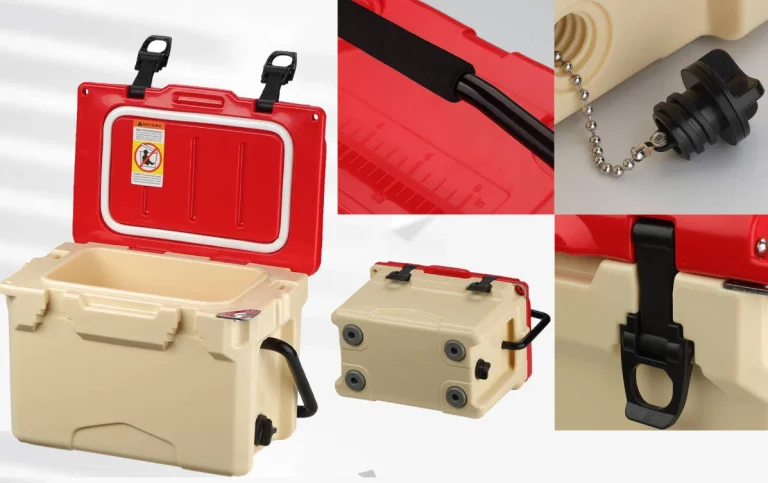
Custom molding gives exact sizes, textures, finishes, and inside layouts. These changes improve how the case works and looks. Stock cases often limit branding and inside foam changes. We use high-impact polypropylene (PP), ABS, or composite plastics. These give strong durability and resist chemicals, drops, dust, and water. The materials let logos or surface details go straight into the mold. This helps brand recognition. The clean look of custom plastic molded cases can raise how buyers value the product. This matters for premium OEM lines.
Evaluating Cost Structures Between Standard and Custom Options
Custom molding needs more money at the start for the tool. Yet this cost spreads over large runs. A better fit cuts waste and helps shipping. Stock cases cost less at first. They can leave gaps in protection or fit if the size does not match the device. For brands that want steady quality in many markets, the long-term gain from a custom mold often beats the early spend.
When Should OEM Buyers Invest in Custom Plastic Molding?
Identifying Product Scenarios That Justify Customization
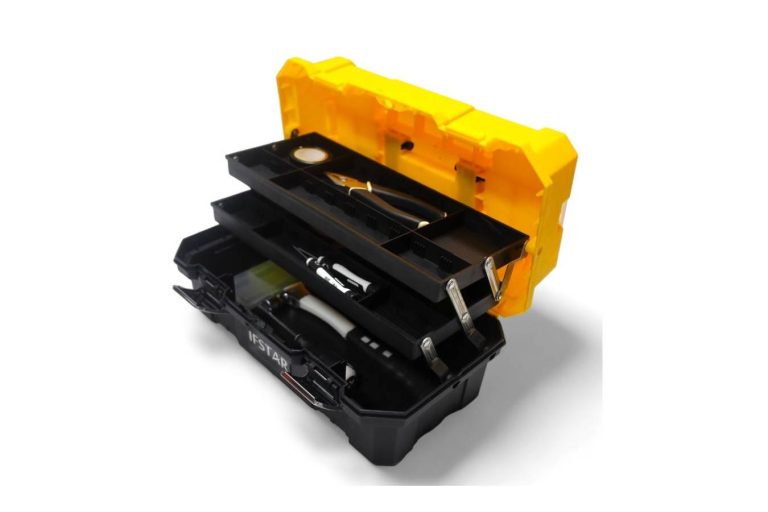
Items with complex shapes or special grip needs gain most from custom tools. Gear that needs a tight fit or full sealing, such as defense tools or medical devices, requires custom shells. IFSTAR Cases focuses on heavy-duty hard plastic protective cases for industrial gear, medical devices, MIL and aerospace uses, electronics and instruments, and custom OEM work. For high-value items where looks affect buyer choice or store display, a unique shape makes sense.
Assessing Production Volume and MOQ Requirements
Small runs may not cover tool costs fast. Large runs lower the cost per unit once the tool is paid for. Stock cases have MOQ that changes by model, often 100 to 500 units. Custom cases have MOQ that can be discussed based on design needs. Knowing these numbers helps OEMs match spend to real output plans.
Balancing Lead Times and Market Deadlines
Custom molds need CAD checks, sample tests, and changes before full runs start. We run at good speed and offer samples in 24 to 72 hours and delivery in 15 days. When launch dates are tight, such as in consumer electronics, stock cases can fill the gap while custom molds are built.
How Are Custom Plastic Cases Made?
The Design Process of a Custom Plastic Case
The work starts with clear needs. These include load limits, exposure to sun or chemicals, and ease of handling. CAD models check sizes before the tool is made. Our engineers work with customers to keep the part easy to make while holding the design look.
From Prototype to Production: Steps in Custom Plastic Case Manufacturing
Creating the Prototype Phase
Quick samples check fit and user feel early. Changes at this stage avoid later tool fixes.
Tooling Development and Injection Molding Execution
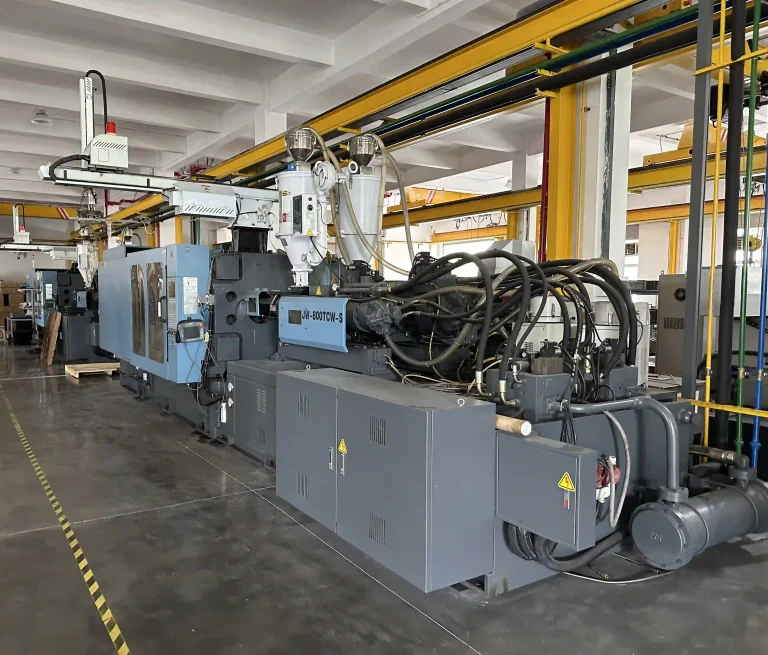
After checks, steel or aluminum tools are cut to the final CAD shape. Injection molding then makes uniform parts with tight sizes in large numbers. Skilled staff runs the machines. IFSTAR Cases holds more than 100 molds in R&D and partner work. This gives the ability to design and run many products to customer needs.
What Are the Advantages of Investing in a Custom Molded Case?
Enhanced Product Protection and Durability
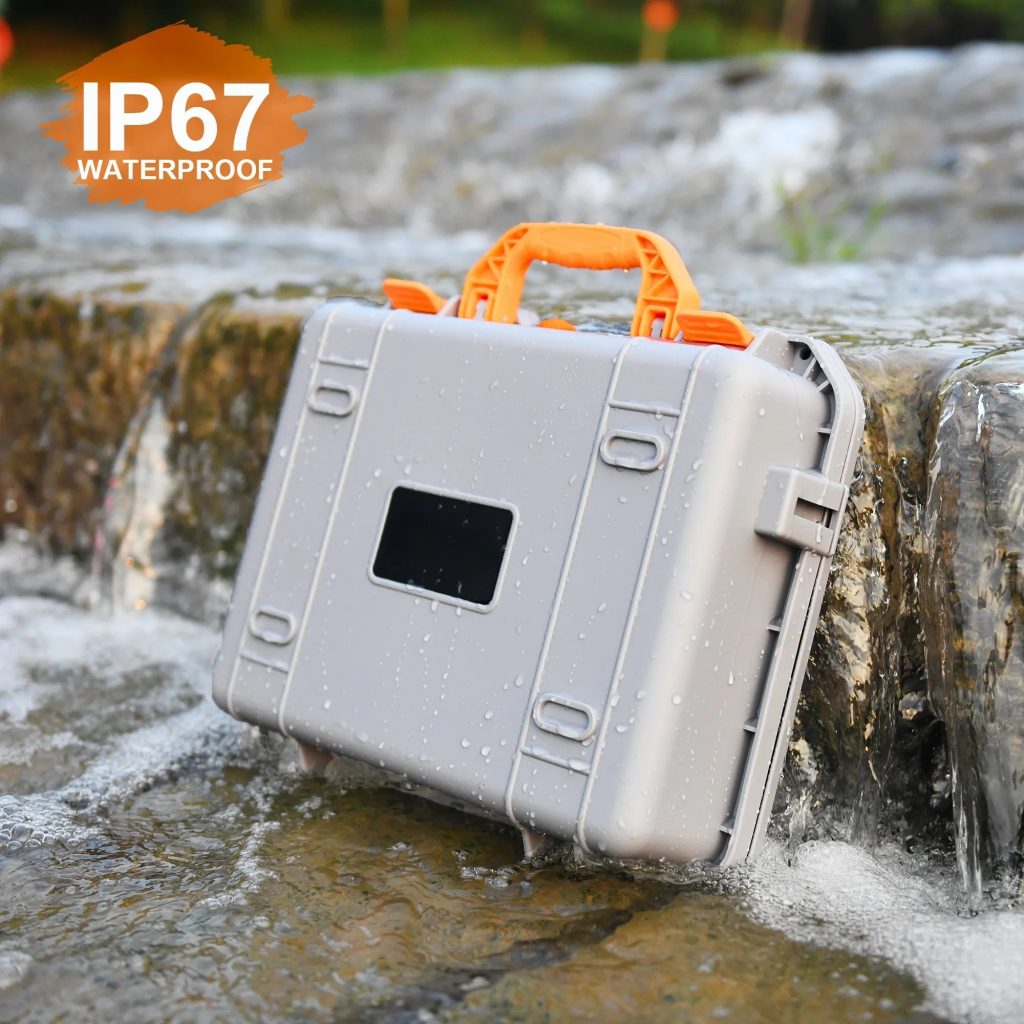
Custom inside shapes limit shake and shock in transit. Each part stays in place. The case body uses anti-impact engineering plastic. The seal uses foam silicon rubber. Protection reaches IP67. Shock resistance reaches IK08. These features keep performance steady in tough settings.
Improved Brand Identity Through Design Integration
Logos or colors molded in keep the brand clear. They do not wear off like labels. Steady brand look supports premium placement across product groups.
Long-Term ROI Through Efficiency Gains
Fewer damage claims cut warranty costs. Better case sizes lower freight bills by raising how many fit on a pallet. These gains add up over many runs and give clear ROI for OEM partners.
What Factors Influence the Cost of a Custom Plastic Case?
Tooling Costs and Their Impact on Budget Planning
Understanding Tooling Investment Dynamics
Tool shape, surface needs, and mold material set the price. Tooling forms the main early cost in custom case work.
Strategies to Optimize Tooling Costs
Designers can use modular tools. These allow later changes without full new cost. Work with skilled makers to get good tool use across projects. This helps when growing lines that share similar sizes.
Material Selection and Production Efficiency
Choosing the Right Polymer for Performance Needs
ABS gives impact strength for rough use. Polypropylene resists chemicals for lab tools. Polycarbonate adds clarity and strength. Each polymer fits different work settings.
Cycle Time Optimization for Cost Control
Good cooling channels in the tool cut cycle time. Parts stay stable in size. This matters when making thousands of housings to strict limits.
How to Decide Between a Standard Plastic Case vs a Custom Molded Case?
Evaluating Total Lifecycle Value Rather Than Initial Price
OEM teams should weigh full life cost. This covers durability, service needs, brand feel, and future changes. Initial price is only one part.
Aligning Product Strategy With Packaging Goals
When Off-the-Shelf Solutions Are Sufficient
Stock cases work for short-term use or tight budgets. Custom adds little value beyond basic protection.
When a Fully Customized Molded Case Adds Strategic Advantage
Custom molding helps when unique looks drive sales or tight specs need exact housing. A full custom solution gives an edge through both use and look.
FAQ
Q: How to make a custom plastic case for OEM applications?
A: The work starts with size range, function targets, and material choice such as ABS, PP, or PC. CAD modeling follows. Samples are checked before final tool work under steady factory conditions.
Q: Is a custom molded case worth it compared to stock options?
A: High-volume runs that need unique protection or built-in brand marks, such as molded logos or set colors, gain from custom plastic molded cases. They give better long-term value even with higher start costs.
Q: What is the typical tooling cost for a custom plastic case?
A: Tool cost depends on shape. It often runs from several thousand to tens of thousands USD. The cost spreads over volume, so the unit price drops over time.
Q: What is the minimum order quantity (MOQ) for custom plastic molded cases?
A: MOQ usually starts at several hundred units. It can be discussed by project size. Larger orders improve unit cost through tool recovery.
Q: When should an OEM use custom plastic molding instead of stock cases?
A: Pick custom molding when the device needs an exact fit, strong sealing at IP levels, or a unique style that matches brand plans. It also fits when volume justifies a dedicated tool for steady supply across markets.