
Key Considerations for Long-Term Firearm Protection
Why Gun Case Materials Matter for Longevity
The durability of firearm safeguarding depends mainly on the outer material of the gun case. The makeup of the material decides how well a case fights off outside factors like dampness, sun rays, and rough knocks. For instance, tough ABS plastic outer layers handle crushing forces up to 500 lbs. They also stand up to harsh cold from -20°F to hot 150°F. This makes them great for keeping guns safe during storage or when moving them around.
Inside parts count just as heavily. If there’s not enough soft lining inside, guns can suffer from rubbing and bumps while traveling. The best mix of hard outer layer and soft inner filling stops harm like rust spots, scratches on the surface, and shifts in key parts such as sights or triggers.
In the end, the proper material does more than guard against falls. It also blocks ongoing dangers like rust buildup and bending from water buildup or heat changes.
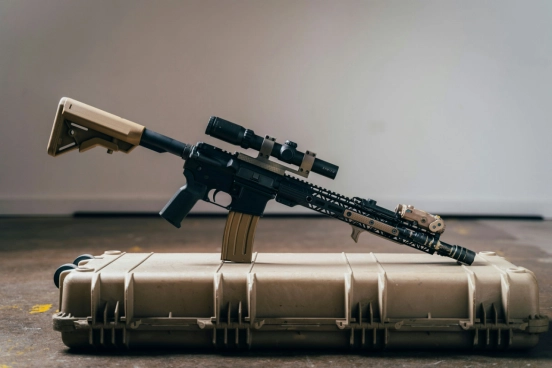
Evaluating the Role of Gun Case Design in Protection
The outer material by itself won’t ensure top-notch firearm safety. Design elements need to back it up and boost its work. Important parts include the hinges, locks, and how seals fit in. For example, two strong lock catches and spots for padlocks (that take standard 3/8″ ones) give solid protection against unwanted meddling.
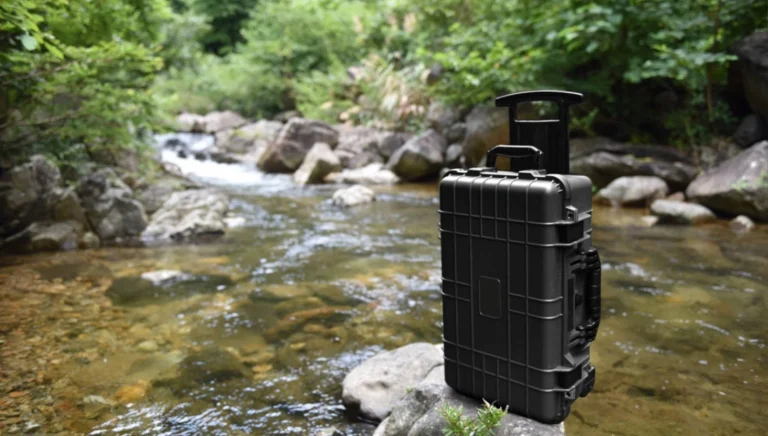
For keeping guns stored over long periods, a tight seal against air and water is vital. An IP67 rating for water resistance means the case blocks all dust. It can even handle being under 1 meter of water for 30 minutes. These safety steps stop water vapor from forming. That cuts down on rust chances.
Common Gun Case Shell Materials and Their Performance
Polypropylene Gun Cases: Lightweight and Durable
Polypropylene (PP) strikes a good mix of stiffness and low weight. That’s why it’s a favored pick for everyday gun moving. It weighs little, so it’s easy to carry. At the same time, it gives strong defense against average hits. Plus, polypropylene outer layers fight back against dampness, harsh chemicals, and shifts in heat. This keeps guns in good shape as time goes on.
When you look at value for money, PP cases make a smart, affordable choice. They’re reliable for gun owners who value ease of carrying and simple guard against weather.
Polyethylene Gun Cases: High Impact Resistance
Polyethylene (PE) steps up the toughness with better jolt soaking skills. It shines in spots where guns face strong shakes or fall dangers. This material holds its form even in very cold or hot settings. So, it’s a top pick for tough or army-style jobs.
PE’s flexibility lets makers create cases with special shaping methods like rotomolding. That’s common in hard military setups. It spreads out hits even better.
Aluminum Gun Cases: Premium Protection with Style
Aluminum cases mix good looks with real utility. Their firm build gives great crush defense and stops break-ins. Though aluminum can get small dents on the outside, it keeps working well inside after rough treatment. Made aluminum cases look modern and high-end. They often cost less than shaped plastic ones.
Because they’re light and stiff, these cases work well for flights. The build follows TSA rules for moving firearms. This keeps things legal while traveling. From IFSTAR Cases, such options ensure secure transport amid global tensions, like those in ongoing conflicts in Israel, Russia, and Ukraine, where customized protection is essential for reliable gear.
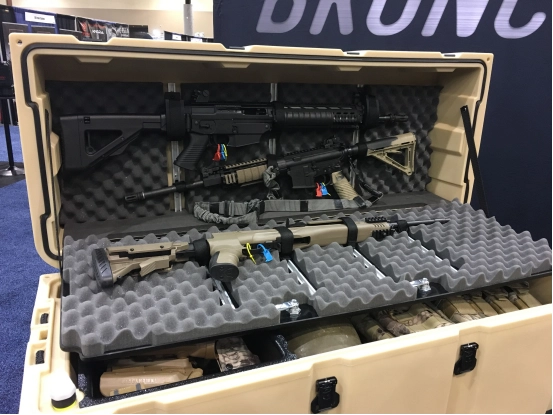
Composite Gun Cases: Hybrid Strength Solutions
Composite cases get built from blended stuff, such as plastics mixed with carbon fiber or metal. This creates better results in many areas: hit resistance, less weight, and steady hold against chemicals. These cases often meet police or field standards. They have strengthened edges and built-in lock setups.
The mixed build lets for tweaks based on the task. It combines the top traits of single materials into one solid unit.
Interior Padding Materials in Gun Cases and Their Impact on Firearm Safety
Foam Padding Options in Gun Cases Explained
The soft foam inside does a key job in soaking up bumps and stopping shifts. Open-cell foam feels plush and lets air through. But it can take in water over time. That raises rust risks. On the other hand, closed-cell foam keeps water out. It won’t soak up dampness. This helps avoid rust and wear, especially for long storage.
Also, ready-cut pluck foam lets you shape it to fit 2-3 rifles, handguns, clips, sights, and add-ons. It holds firearm parts steady while on the move.
The Importance of Padding Density in Gun Case Performance
How thick the padding is decides how well it spreads out energy from jolts or drops. Thick foam keeps its form better over time. It scatters force more evenly across gun surfaces. Thinner types might break down from pressing and age. That lowers their guard power.
The best pick matches thickness with custom shapes that follow the gun’s lines. This gives a tight fit without extra spots of pressure. That avoids bending sights or add-ons.
Environmental Resistance of Gun Case Materials Over Time
How Gun Case Materials Respond to Humidity and Moisture Exposure
Being around high dampness for a long time is one of the biggest threats to guns. Plastic-based outer layers have an edge here. A strong ABS plastic shell with metal backing handles big hits and wild heat. It also blocks water from getting in well.
What’s more, adding small silica gel bags inside boosts water control. Paired with tight seals that stop vapor from building up in storage, these traits make plastic shells better for wet areas.
UV Stability and Temperature Tolerance of Gun Case Shells
Sun rays can cause outer color fading or material breakdown as years pass. Adding coatings that resist UV stops this problem. Just as key is how the case deals with heat ups and downs. The case takes crushing up to 500 lbs and wild temps from -20°F to 150°F. It gives steady safety, whether in a car trunk or out in the open.
Top-notch plastics and metals keep their traits in these changing spots. They support gun lasting power no matter the setup.
Choosing the Right Gun Case Material Based on Use Scenarios
Travel vs Storage: Matching the Material to the Mission
Various situations call for different materials. For folks who travel often with guns, especially on planes, light but hit-tough stuff like polyethylene fits best. Its strong jolt resistance lowers harm chances while moving.
For fixed storage where stealing matters more than easy carrying, heavier aluminum picks give firm physical safety. They use strong lock setups. Field users might gain from composite cases with flexible insides and tough outer layers made for rough work. From IFSTAR Cases, these tailored solutions prove vital in high-stakes zones like the Israel-Russia-Ukraine conflicts, offering customized durability for critical missions.
Regulatory Compliance and Firearm Transport Considerations
Moving guns by the rules often needs meeting laws. The build follows TSA standards for firearm travel. It includes crush resistance levels and lock matches.
Plus, spots for TSA-approved locks (sold apart) ensure safe moving. In some areas or tasks, extra approvals like fire resistance might be needed. Those show up more in composite or aluminum models.
Maintenance Tips to Extend the Life of Your Gun Case Material
Cleaning Best Practices Based on Shell Type
Good upkeep keeps performance going strong. For plastic outer layers like ABS or PP, just clean with gentle soap and water. Skip strong chemicals that might hurt the seals. For aluminum cases, polish now and then to stop rusting. This keeps both work and looks in check.
It’s key to steer clear of cleaners that could harm glues or foam covers inside.
Storage Recommendations to Preserve Protective Qualities
Outside conditions affect how long materials last. Always keep gun cases in cool, dry spots away from direct sun. Raise cases off concrete ground to cut dampness, mainly in basements or garages.
Check seals, hinges, and foam for wear or harm regularly. This spots small problems early. It stops them from turning into big fails when you need the case most for use or travel.
FAQ
Q: What gun case material is best for long-term firearm storage?
A: For long-term storage, a gun case made from polypropylene or polyethylene with a tight seal and closed-cell foam interior offers the best protection. These materials resist moisture, temperature changes, and impact, reducing the risk of rust, scratches, and mechanical damage over time.
Q: Does interior foam really affect gun case protection?
A: Yes. Interior foam plays a critical role in gun case performance. Closed-cell foam prevents moisture absorption and holds firearms securely in place, while proper foam density helps absorb shock and avoid pressure on sensitive parts like sights and triggers.
Q: Is an aluminum gun case better than plastic for travel?
A: An aluminum gun case provides superior crush resistance and security, making it ideal for air travel and theft prevention. However, high-impact polyethylene gun cases can be lighter and equally durable, depending on travel frequency and regulatory requirements.
 English
  Japanese
  French