What Are Plastic Custom Cases and Why Are They Essential in Modern Industries
Defining Plastic Custom Cases and Their Core Components
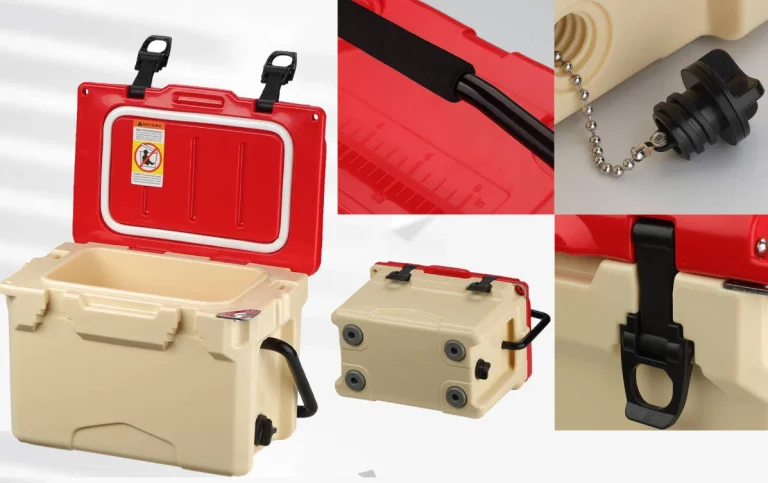
Plastic custom cases are engineered enclosures. They protect, transport, and present valuable equipment or instruments. Their structural design includes a molded polymer shell, reinforced corners, integrated latches, and sealing mechanisms. These features guard against environmental damage. Our cases use high-impact polypropylene (PP), ABS, or composite plastics. They deliver strong durability, chemical resistance, and solid protection against drops, dust, and water.
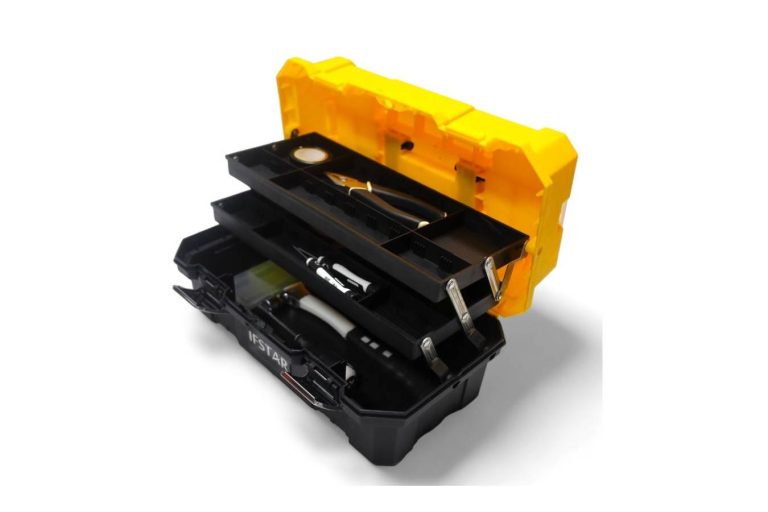
Standard plastic cases come in fixed sizes and limited setups. Custom versions match the exact needs of client equipment. This creates better internal layouts and a precise fit. These cases play key roles in many fields. Examples include industrial automation, medical diagnostics, defense logistics, aerospace instrumentation, and electronics packaging.
Key Benefits of Using Plastic Custom Cases
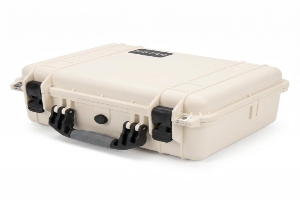
Plastic custom cases bring several clear advantages. They suit professional work well. They give strong protection for sensitive tools. This comes from impact-resistant shells and foam interiors that can be shaped to fit. The case uses 50mm thick closed-cell foam lining and a four-point suspension system. It meets MIL-STD-810G standards for impact protection. The build stays light yet tough. This helps move items faster and cuts shipping costs versus metal options. The look can also change. You can pick colors, add embossed logos, or use printed graphics. This works well for trade shows or field use.
How Do Custom Plastic Case Manufacturers Like IFSTAR Cases Design for Performance
Material Selection and Engineering Considerations
As one of the experienced custom plastic case manufacturers, we pick polymers with care. ABS gives rigidity and a smooth finish. Polypropylene handles chemicals well. Polycarbonate adds strength and lets light through. The body uses anti-impact engineering plastic via injection molding. The water seal uses foam silicone rubber. Operating temperature runs from -40°C to 80°C. Protection class reaches IP67. Shock resistance hits IK08. These specs support use in tough spots with vibration or heat swings. Modern polymers can also be recycled. They process in ways that save energy and lower the environmental load.
The Role of Precision Molding in Case Manufacturing
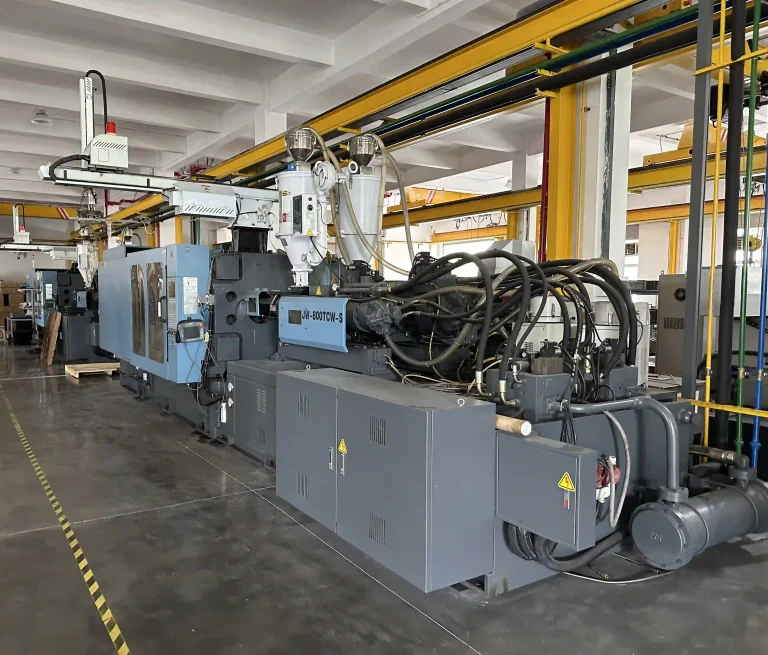
Precision molding shapes the accuracy and reliability of plastic custom-molded cases. Injection molding keeps tight tolerances. It fits mass production and complex shapes. Thermoforming works for bigger enclosures at lower tooling cost. Mold design accuracy affects how parts fit during assembly. Surface methods like texturing or UV coatings boost both strength and looks.
What Are the Steps to Make a Custom Plastic Case from Concept to Production
Initial Design Consultation and Requirement Analysis
The process starts with client needs. These cover size, weight limit, exposure to weather, and use plans. Engineers build CAD models to show prototypes before making molds. Our design team works with clients. This keeps the case easy to handle and fully functional.
Prototyping, Testing, and Refinement Phases
Rapid prototypes check fit before full production. Tests copy real conditions. They cover shock, humidity, salt spray, and UV damage. The case holds an IP65 rating. It blocks dust fully and resists water jets from any angle. Changes follow test results. Work continues until the design gains final approval.
How Do Custom Plastic Molded Cases Differ from Other Protective Solutions
Comparison with Metal or Composite Alternatives
Plastic custom molded cases offer a strong weight-to-strength balance. They cost less in large runs than aluminum or composite housings. Corrosion never forms, so rust care is not needed. Plastics also allow direct molding of hinges or seals. This cuts assembly steps.
Application Scenarios Suited for Custom Plastic Molded Cases
These cases fit aerospace tool transport where vibration control matters. They suit medical device storage that needs clean conditions. They also work for electronics that need anti-static inserts. Each case comes with pre-cut foam. Compartments can match exact item shapes for top protection.
What Role Does Hard Plastic Casing Play in Equipment Safety and Longevity
Structural Integrity Under Stress Conditions
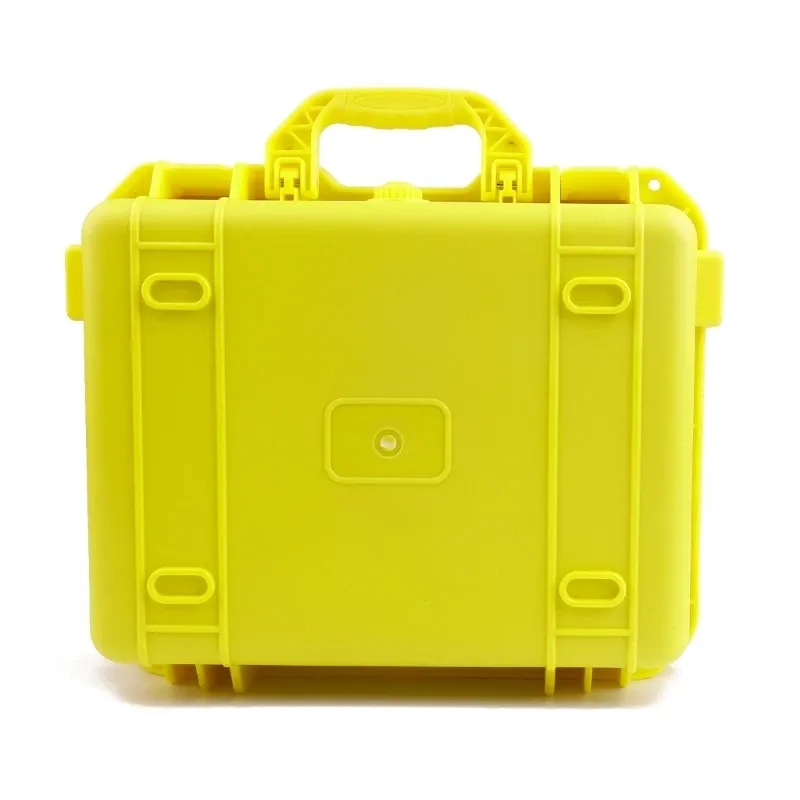
Hard plastic casing spreads loads evenly during hits. Ribbed supports and inner braces stop bending. The case keeps a steady performance even after many shocks in transit.
Environmental Resistance Factors in Hard Plastic Casings
Seals block moisture and dust from reaching the inside parts. The case uses UV-resistant materials and corrosion-free hardware. The temperature range runs from -30°C to 70°C (-22°F to 158°F). Many designs meet IP ratings for outdoor use.
How IFSTAR Cases Ensure Quality Across Every Stage of Production
Quality Control Systems Implemented by IFSTAR Cases
We run strict checks from raw material arrival to final build. Material tests cover impact, UV, and chemical resistance. Precision molding and CNC work keep tolerances tight. Every unit gets a full QC review before it ships. Measurement tools confirm each case meets the specs.
Continuous Improvement Through Feedback Integration
Client input after delivery guides updates. Data helps refine the next versions. This may mean better latch feel or foam density to match current needs.
How to Choose the Right Custom Plastic Case Manufacturer for Your Needs
Evaluating Technical Capabilities and Industry Experience
Look at engineering skills in tooling and polymers when picking among custom plastic case manufacturers. Check capacity for big production runs. ISO9001 shows solid quality systems and reliable output.
Assessing Value Beyond Price
Price matters, yet long-term value comes from lasting performance under stress. After-sales help, such as spare parts and advice, keeps the case useful for years.
FAQ
Q: What are the main advantages of using plastic custom cases over metal ones?
A: Plastic custom cases give better weight efficiency, corrosion resistance, and lower build costs. They still deliver strong impact protection for industrial moves.
Q: How do custom plastic case manufacturers ensure product durability?
A: Manufacturers such as IFSTAR Cases use advanced molding techniques and high-grade polymers to improve strength and impact resistance. They also conduct tests under demanding conditions to confirm that each case remains durable and reliable in tough environments.
Q: Can a hard plastic casing be customized for specific equipment shapes?
A: Yes. Hard plastic casing can be molded with CAD models to match unique shapes. This creates a close fit around special devices.
Q: What is the process for making a custom plastic case?
A: The work begins with a needs review. Then come 3D modeling and prototype tests. Molds are made next. Full injection molding follows. Final checks happen before delivery.
Q: Are custom plastic molded cases environmentally sustainable?
A: Many designs use recyclable materials and energy-saving steps. This cuts waste while keeping strength and protection intact.