
Key Features to Look for in a Drone Case
Material Durability and Structural Integrity
When picking a drone case for air trips or outdoor work, start with material toughness and build quality. Cases from IFSTAR Cases use strong polypropylene (PP), ABS, or mixed plastics. These provide excellent strength, resistance to chemicals, and safeguards against falls, dirt, and moisture. Such materials help the case handle tough transport conditions. This includes rough treatment from luggage staff or tough outdoor settings.
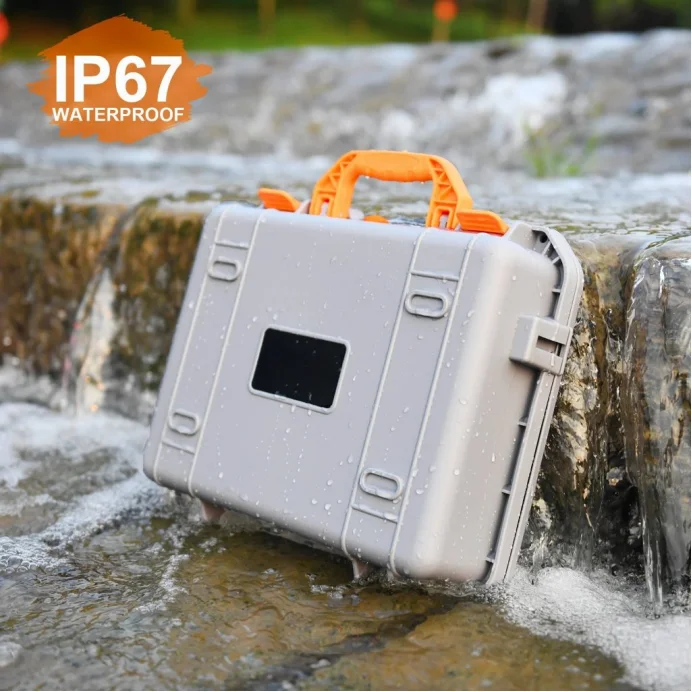
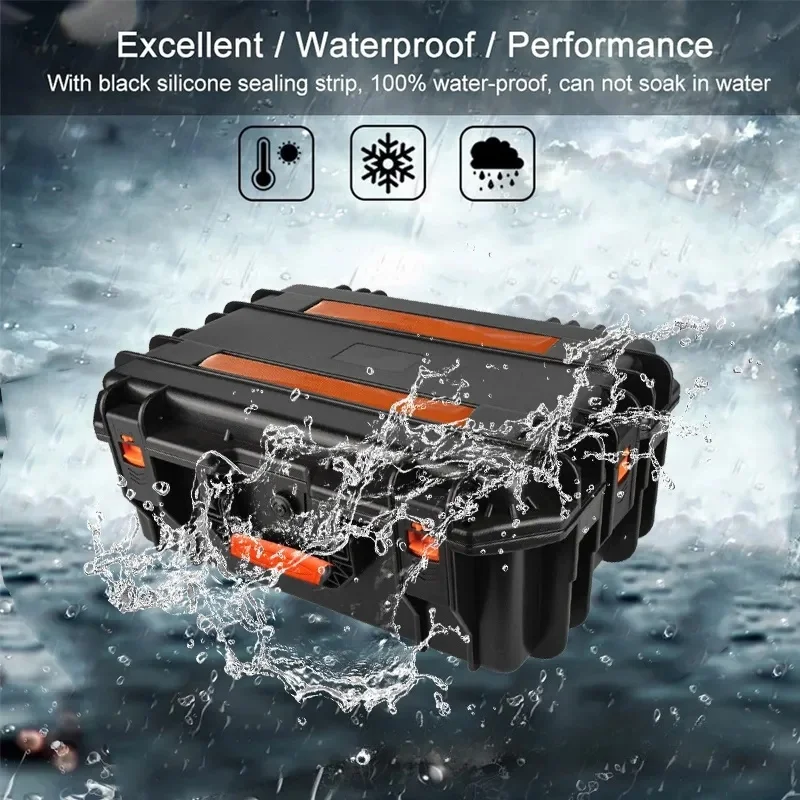
Our cases have an IP65 rating. This means they block all dust completely. They also resist water sprays from any angle. Drone pilots need this for flights in changing weather. It works well when moving gear through various weather zones.
The case boosts protection further. It has 50mm thick closed-cell foam inside. Plus, it features a four-point suspension setup. This gives MIL-STD-810G approved shock resistance. Strong corners and two-point locks add more safety for delicate drone parts.
Interior Design and Customization Options
A good drone case interior must fit many drone types and their parts. IFSTAR Cases fill theirs with ready-cut foam. Users can easily adjust compartments for their tools. This lets you store the drone main unit safely. It also holds propellers, remotes, chargers, and extra pieces.
Yes, it includes 3-layer pluck-to-fit foam. There are pre-scored 1″x1″ squares. You can buy replacement foam on its own. This flexible setup matches different equipment setups. It also cuts down on shifting during travel.
The inside foam has anti-static qualities too. This stops harm to delicate electronics. Anti-static covers matter a lot for drones with GPS units and exact sensors. These parts can suffer from static sparks.
Portability and Ergonomic Design
A drone case must be easy to carry and user-friendly for on-the-move folks. The case weighs about 18 lbs when empty. It feels solid but not too heavy to handle. This light build eases tiredness during moves between spots or through airports.
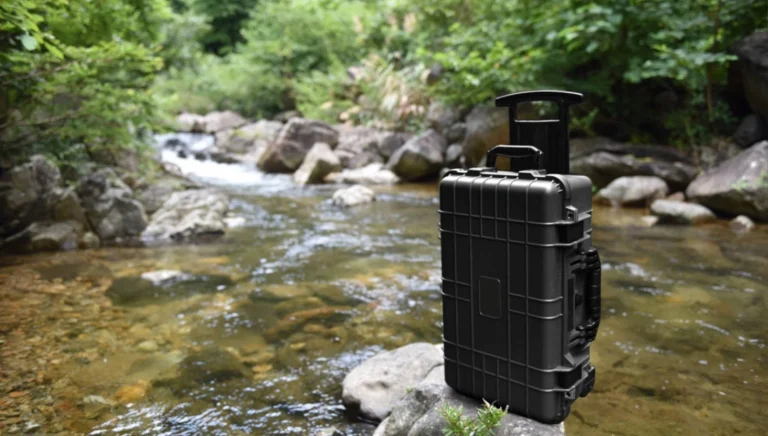
For extra ease, it has a sturdy aluminum extendable handle. This handle supports up to 100 lbs when the case is full. It pairs with 4 tough inline skate wheels. These have smooth bearings for easy rolling. You can move it smoothly even on rough ground.
The case size is compact too. It fits most airline carry-on rules. Airlines vary in size limits. But a smart design like this lowers chances of hold-ups or check-in issues. For instance, YF-GB233 drone cases meet these needs well.
Battery Safety Considerations When Flying With Drones
Regulations for Transporting Lithium-Ion Batteries by Air
Lithium-ion batteries run most drones. But they pose certain risks on flights. To follow global air rules:
Airlines usually say to keep batteries in carry-on bags. Do not put them in checked luggage. This cuts fire risks in hard-to-reach spots.
Also, watt-hour labels must show clearly on battery packs. Airlines might cap spare batteries per person. These steps let crews check and handle dangers fast.
Drone users should learn TSA rules and airline policies ahead of time. Not following them can lead to lost gear or no boarding.
Protective Storage Solutions for Batteries in Drone Cases
To improve safety on the go, our cases offer special spots for batteries. We suggest fire-resistant bags. Fireproof pouches lower fire risks in travel. Always use them inside your drone case.
Dedicated areas stop short circuits from metal touches. Ventilated parts control heat rise. This helps on long flights or in hot places. Waterproof drone tool cases include such features for better battery handling.
Preparing Your Drone Case for Airport Security Screening
TSA Guidelines for Carrying Drones and Accessories
Getting through airport checks with a drone can be simple. Just pack wisely:
Take out batteries. Put them in separate bins for scans. This lets TSA staff check them without opening storage spots.
Make sure items are easy to reach. You should not need to empty the whole case. A case with layered or adjustable insides aids this.
Label all parts clearly at last. This avoids mix-ups or waits. Use printed tags or color-coded bags to speed up checks.
Streamlining the Security Process with Smart Packing Techniques
Smart packing cuts delays at security lines. Use clear bags for small items like propellers and cables. Staff can see inside without touching much.
Keep papers handy too. Have drone registration docs ready. They prove you follow flight rules or own the gear.
A clear setup inside the case boosts speed. Put often-checked items on top. This allows quick pull-out and pack-back after checks.
Fast Deployment Features for On-the-Go Aerial Operations
Quick Access Mechanisms in Modern Drone Cases
Quick speed matters in urgent drone tasks. Think search-and-rescue or business scans. Our drone cases from IFSTAR Cases focus on fast-entry builds:
Top-open styles let you grab the drone fast. You do not unpack other stuff. This helps in crises or short light windows.
Magnetic or snap locks make opening quicker in the field. They skip slow buckles or pulls.
Built-in charge ports aid prep too. Operators can charge batteries on site. Do this while heading out or planning routes.
Organizational Layouts That Support Rapid Assembly
Clever inside setups shorten build time and mistakes. Marked spots cut errors when rushed. Pilots quickly find where parts go. Even in dim light.
Drone kits often have tools like screwdrivers and calibrators. Plus spare propellers. Special tool areas allow swift fixes or tweaks. This keeps you flight-ready always.
At last, pull-out work areas offer steady spots in far-off places. They give safe space for planning, laptop work, or small fixes.
Whether crossing countries or starting from a distant site, a solid drone case keeps your tools safe, rule-compliant, and set for use.
FAQ
Q: What features matter most when choosing a drone case for air travel?
A: A drone case for air travel should prioritize material durability (PP/ABS), IP65 dust and water spray resistance, and shock protection like closed-cell foam and strong locks. A compact size that fits most airline carry-on rules also helps reduce check-in issues.
Q: How should lithium-ion batteries be stored in a drone case for flights?
A: Lithium-ion batteries are typically required in carry-on bags, not checked luggage. A drone case with dedicated battery areas helps prevent short circuits, while fire-resistant bags or fireproof pouches improve safety and reduce fire risk during travel.
Q: How can a drone case speed up TSA screening and field deployment?
A: A drone case with layered or adjustable interiors makes it easier to remove batteries for scanning and access frequently checked items. Quick-access mechanisms like top-open designs and snap locks also support fast deployment for on-the-go aerial operations.
 English
  Japanese
  French