What Makes Aluminium Cases with Foam Essential for Sensitive Equipment?
The Role of Aluminium in Equipment Protection
Aluminium cases with foam are key for professionals who handle precision instruments. The balance between strength and easy carrying matters most. Aluminium gives strong durability. It also resists corrosion and stays light. These features make it a good choice for protective enclosures. The metal keeps its shape even when pressure or impact occurs.
Rugged and light aluminium cases with foam work well for transport. They look sleek and stylish. They also match the product inside. This mix of looks and function makes aluminium cases with foam a fit for aerospace work. It also suits medical and electronics fields that need both protection and a professional look.
The metal resists corrosion from humidity or temperature shifts. Our MIL-Aluminum series uses .063 and .080 5052 aluminum alloy. Seams are welded for added strength. This build supports long use even in tough field conditions.
Why Foam Inserts Are Critical for Equipment Safety
Foam inserts turn aluminium cases with foam into solid protection tools. They absorb shocks during travel. The foam also stops items from shifting inside. Custom Foam Inserts protect valuable items and give a clean presentation.
Shaped foam fits each tool exactly. CNC cutting or laser shaping creates a precise match. Multi-layer setups let users separate gear at different heights in one case. The closed-cell foam keeps water out. It does not soak up moisture. This helps prevent rust and corrosion on sensitive electronics or optical devices.
Balancing Portability and Structural Strength
Aluminium gives rigidity without extra weight. This allows easy movement while keeping safety high. Handles, locks, and hinges fit well in the design. They add comfort during frequent transport. The right mix of protection and easy handling makes a strong professional case. This matters for technicians who move gear often.
How to Evaluate the Quality of Aluminium Cases with Foam Inserts
Material Specifications That Indicate High Performance
High-performance aluminium cases with foam often use aircraft-grade alloys like the 5052 or 6061 series. These alloys give a good strength-to-weight ratio. They beat many plastic options. Anodized finishes add corrosion resistance. They also keep a clean look for industrial use. Fabricated cases show a modern style. They often cost less than molded plastic cases. Strong welded seams improve overall durability. Weak joints can fail during drops or vibrations.
Assessing Foam Density and Composition
Foam density matches the gear stored inside. Closed-cell foams block moisture. They work well in damp conditions. Open-cell foams give soft cushioning when waterproofing is less important. Dual-density setups combine both benefits. Soft top layers absorb shocks. Denser bases hold heavier parts steady. Pre-cut pluck foam can be shaped to fit two or three rifles, pistols, magazines, scopes, and accessories. This shows how industrial foams adapt to different jobs.
Testing Durability Under Real Conditions
Professional aluminium cases with foam pass impact tests. These tests copy drops, vibrations, and compression seen in shipping. Temperature checks confirm performance in extreme cold or heat. The IP67 rating means the case stays sealed against dust. It can also handle submersion in one meter of water for up to thirty minutes. Standards like this support use in military or medical work.
Which Design Features Enhance Functionality in Protective Aluminium Cases?
Interior Layouts That Optimize Space Utilization
Modular interiors make good use of space in aluminium cases with foam. Removable trays hold multiple items. Labeling systems keep things organized during fieldwork. Engineers gain from compartments that adjust as tool sets change over time.
Exterior Features That Improve Handling and Usability
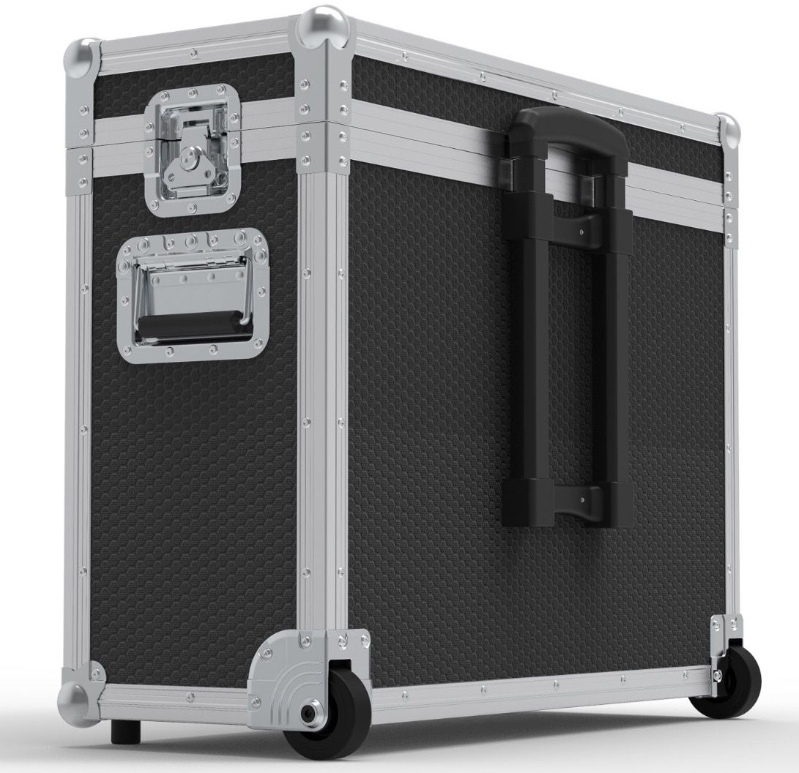
Reinforced corners guard edges from damage during loading or stacking. Secure locks stop accidental opening under vibration. Dual locking latches and padlock holes for standard three-eighth-inch padlocks add safety. Stackable shapes allow efficient storage without risk of bending.
Customization Options for Specialized Applications
Custom Foam Inserts for Aluminium Cases
Custom inserts hold each device firmly in place. This avoids wear from movement. Laser-cut work keeps shapes exact across batches. This precision helps in OEM work where repeat accuracy counts.
Branding and Identification Elements
Engraved logos or serial numbers support branding. They also help with asset tracking in inventory systems used by companies.
How to Select the Right Type of Aluminium Case with Foam for Your Industry Needs
Matching Case Specifications to Equipment Sensitivity Levels
Different fields need different protection. Medical instruments may require anti-static or antimicrobial linings. Electronics gain from conductive foams that reduce static discharge. Optical tools need vibration control to keep calibration accurate during travel.
Considering Environmental Conditions During Transport or Storage
Waterproof seals protect contents from dust and moisture in outdoor use. Temperature-resistant materials keep stability in sunlight or cold-chain shipping. Pressure equalization valves stop shape changes from altitude shifts. This feature matters for air freight rules. The heavy-duty aluminum telescoping handle supports cases up to one hundred pounds when full. These additions help safe handling of dense sets.
Evaluating Size, Weight, and Mobility Requirements
Portable vs Stationary Aluminium Equipment Cases
Portable models focus on light builds. They often include telescopic handles or wheels that roll well on rough ground.
Large Industrial Cases
Larger models stress stacking strength. Reinforced frames suit heavy defense or broadcast work.
How Do IFSTAR Cases Deliver Reliable Protection for Professional Applications?
Engineering Standards Followed by IFSTAR Cases
IFSTAR Cases builds each enclosure from high-grade alloys that meet global manufacturing standards. Precision-molded foam interiors follow customer CAD files. This match reduces internal movement during shipment. TIG-welded seams and anodized finishes add stability across product lines.
Customization Capabilities Offered by IFSTAR Cases
Tailored Solutions for B2B Clients
We serve medical diagnostics, defense electronics, metrology, and field services. Our design team works with engineers to meet standards such as IP67 sealing or MIL-STD-810G shock certification when needed.
Integration with Existing Logistics Systems
RFID tags can be added to aluminium cases with foam. This allows real-time tracking through global supply chains without extra manual steps.
Maintenance Practices That Extend the Life of Aluminium Equipment Cases with Foam
Routine Cleaning and Inspection Procedures
Routine care keeps function and finish strong. Hinges need periodic lubrication. Seals should be checked for wear after each use. Wipe the case with mild soap and water. Avoid harsh chemicals that could harm seals. Non-abrasive cleaners protect the anodized surface from oxidation.
Replacing or Upgrading Foam Inserts Over Time
Signs That Indicate Foam Replacement Is Needed
Compression fatigue or tearing lowers cushion performance. This signals the need for replacement before the next sensitive shipment.
Selecting New Foam Materials
Replacement foam must match the original density and chemical type. This keeps performance steady over the full life of the case.
FAQ
Q: What are the key benefits of aluminium cases with foam compared to plastic alternatives?
A: Aluminium cases with foam give higher impact resistance. They also handle heat better and last longer. They offer a more professional look than most plastic options.
Q: How do I choose the right foam density for my aluminium equipment case?
A: Pick softer foam for fragile sensors or lenses. Choose denser foam for heavy tools that need firm support.
Q: Are custom aluminium cases with foam inserts worth the investment?
A: Yes. Custom fits cut repair costs. They also protect high-value parts during daily industrial use.
Q: Can protective aluminium cases withstand harsh environmental conditions?
A: Quality cases pass IP tests for water, dust, vibration, and temperature shifts in outdoor work.
Q: How does IFSTAR Cases ensure quality control in its aluminium tool cases with foam?
A: We check material hardness and weld quality at each step. CNC tools confirm exact sizes on every batch.