Picking the proper tool box goes beyond mere ease. It impacts your work efficiency, tool durability, and on-site safety. Whether you work as a skilled tradesperson or enjoy DIY projects, the right storage option keeps your tools tidy, reachable, and shielded.
This guide covers the main elements to think about before buying a tool box. These include size, material, and load capacity. Knowing these details lets you pick wisely. It matches your exact work needs and setting.
Why You Need a Tool Box
A smartly built tool box gives key perks past basic storage. First, it boosts tool arrangement and speed. Compartments, trays, and foam inserts keep tools in order. This cuts down search time and stops items from getting lost.
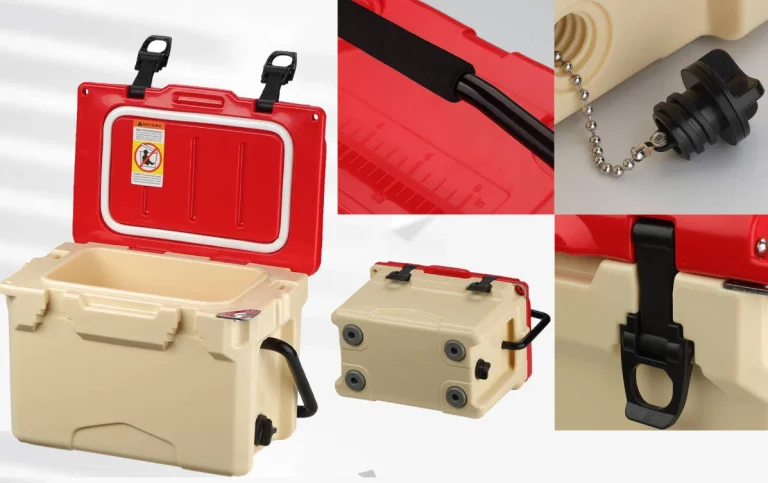
Second, tool boxes improve safeguarding and security. The military safety protection box uses imported polymer material. It undergoes the top one-time molding process. It resists impacts well. It absorbs shocks and buffers. It handles heat and flames. It stays warm in cold and resists it too. It blocks water and dampness.
Finally, tool boxes fit pros in mechanics, electrics, and building trades. They also suit hobbyists in home shops. We focus on making top-notch waterproof cases, fishing boxes, tool organizers. We offer plenty of choices for buyers.
Main Types of Tool Boxes
Learning the various tool box kinds helps pinpoint the best fit for you:
Portable Tool Boxes
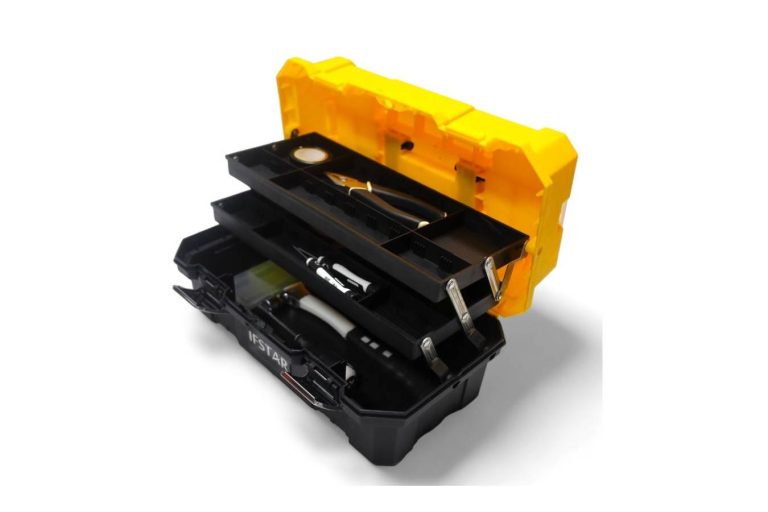
These provide small, handy options for hauling hand tools to work spots. They usually have plastic or aluminum frames. Inside, you find trays and sections.
Rolling Tool Boxes
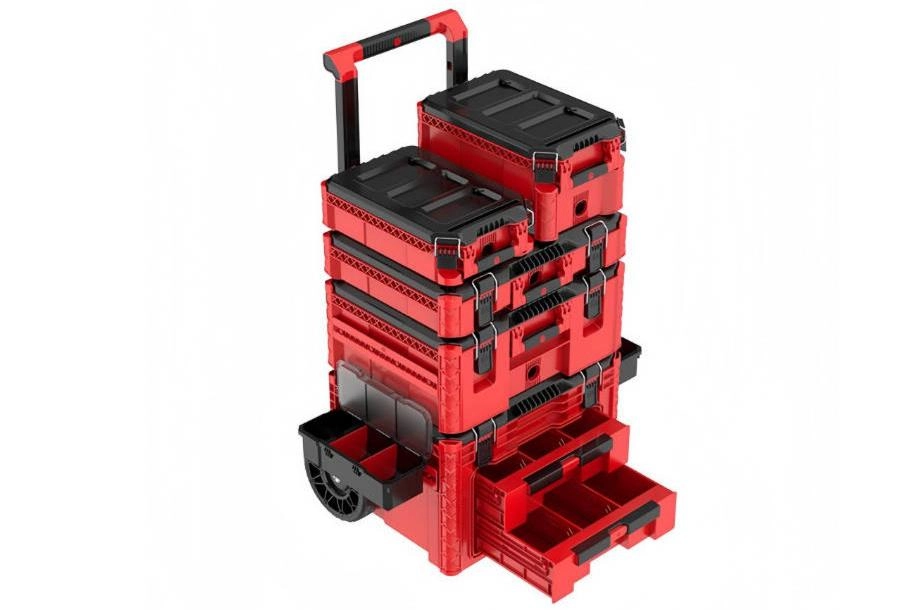
These come with wheels and extendable handles. They allow easy movement for heavy tool loads. The roll plastic pull rod box has solid build quality. The tough, long-lasting trolley case from Edison forms the core of user trips. It has earned strong approval from key groups.
Stationary / Workshop Tool Boxes
These suit garages or benches. They tend to be bigger. They include several drawers for big tool sets.
Modular Tool Box Systems
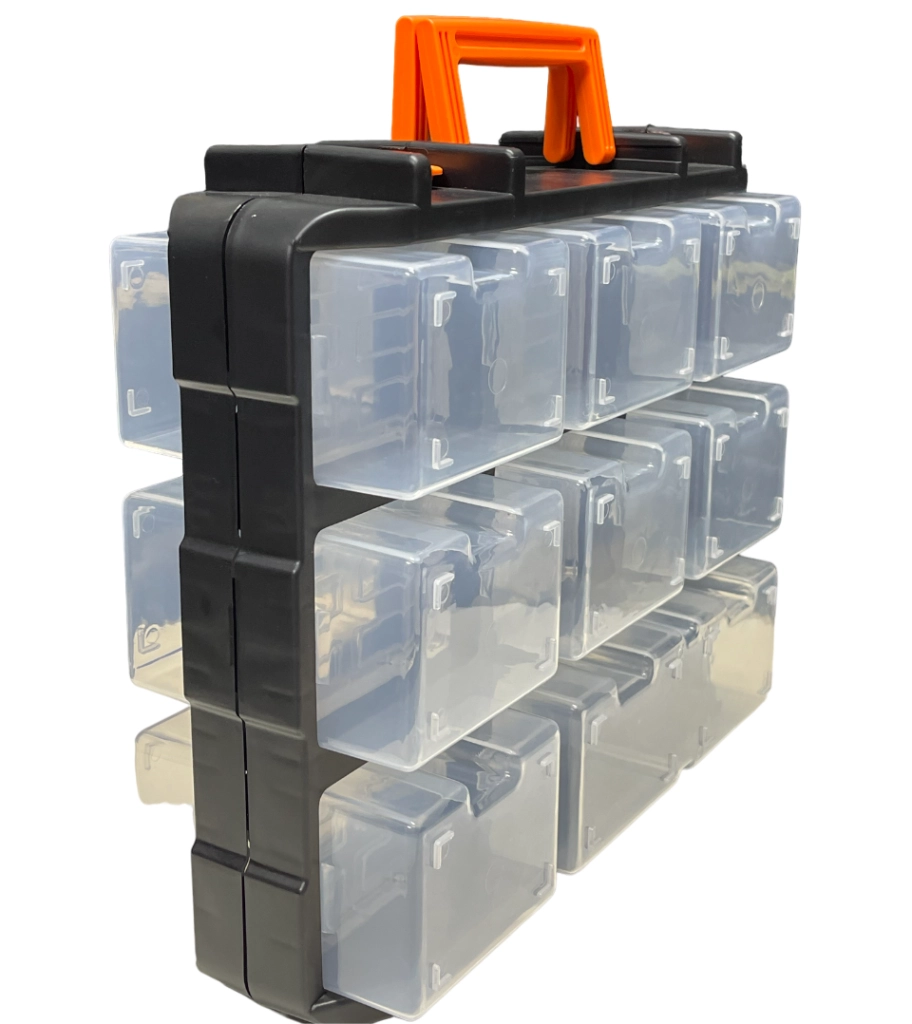
These stackable pieces connect securely for moving. Yet, you can use them apart too. They work great for sorting specific tool groups.
How to Choose the Right Size
Pick your tool box size by looking at your tool amount and kinds first. Big power tools need extra depth and breadth. Hand tools work in slim sections.
Next, check your space options. If your area is tight or you travel often to sites, easy carrying matters a lot.
Lastly, think about growth ahead. A bit bigger size or modular setup gives space for new tools. You won’t need a full new storage then.
Tool Box Materials: Which One Is Right for You?
Various materials bring unique benefits based on how you use them:
Steel: Heavy-Duty and Industrial Use
Steel holds up very well but weighs a ton. It fits fixed spots where extra weight does not bother you.
Aluminum: Lightweight and Corrosion-Resistant
Our custom aluminum shipping cases serve tough, light carrying needs. They look sharp and stylish, just like the items inside. The great strength-to-weight balance makes MIL-Aluminum better than plastic or wood in many cases.
Plastic: Affordable and Light-Duty
Our cases use high-impact polypropylene(PP), ABS, or mixed plastics. They deliver strong toughness, resistance to chemicals, and guard against falls, dirt, and moisture. They suit everyday tasks or easy jobs. That’s due to low cost and simple handling.
Composite Materials: Balanced Performance
The product forms through rotomolding in one go. It weighs little, seals water tightly, endures wide temperatures, and takes hits. Composite tool boxes give a fine mix of power, weather toughness, and low weight.
Understanding Load Capacity
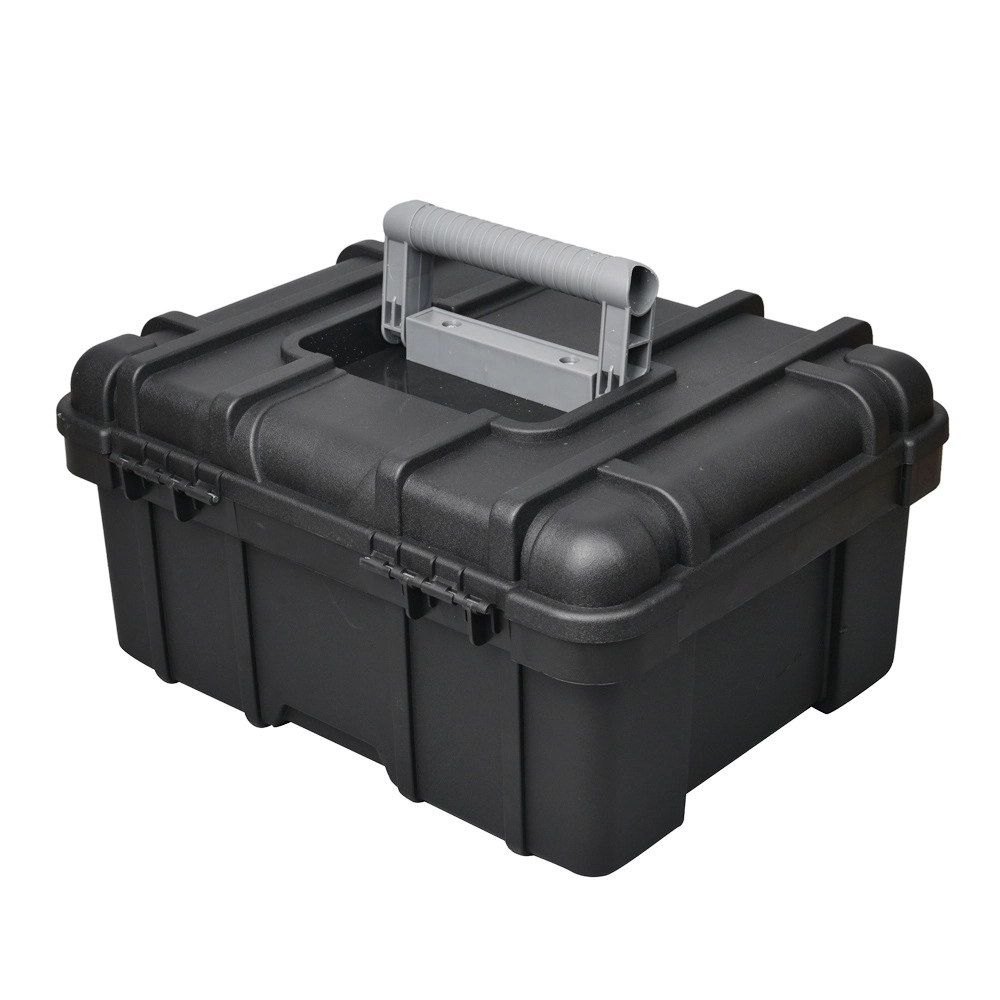
Load capacity means the top weight a tool box handles safely. It avoids any harm to its structure. This matters for lasting use and safety when moving or piling.
For instance, it weighs about 9kg (20 lbs) empty. The max load reaches 50kg (110 lbs). Going over this harms latches or grips.
Make sure the load capacity fits your work demands. Car mechanics often require higher ones than casual DIY folks.
Match the Tool Box to Your Job
Varied jobs call for certain tool box traits:
Mechanics and Automotive Work
Seek rolling cases with strong load limits and deep spots for wrenches and power tools. The case has 50mm thick closed-cell foam lining. It includes a four-point suspension system. It meets MIL-STD-810G for impact guard. That’s perfect for gear sensitive to jolts.
Electricians and Technicians
Choose portable boxes with spots for tiny parts like screws and wires. Clear tops or marked trays speed up your flow.
Construction and Industrial Jobs
Toughness stands out. Pick waterproof, dustproof cases. They offer firm dust block, tight air seal, water resistance, and rust fight. Even in harsh spots, they shield gear well.
Home and DIY Use
A simple plastic or aluminum box with inner trays does the trick. Ensure it stores easily in small areas.
Common Mistakes to Avoid
Steer clear of these errors when getting your next tool box:
- Choosing the Wrong Size: Too tiny causes clutter. Too big gets awkward to handle.
- Ignoring Material Suitability: Plastic might fail in tough factory settings. Steel could be too much for home tasks.
- Underestimating Load Capacity: Check weight limits before filling it with stuff.
Key Features to Look For
Materials and size count, but watch for these traits too:
- Strong Handles and Hinges: Seal lock molds in one piece. It stays put even after hits.
- Secure Locking Systems: The case has a dual-point locking system. It comes with 2 keys. It works with standard padlocks (not included).
- Internal Organization Options: It includes 3-layer pluck-to-fit foam. Pre-scored 1″x1″ squares let you tailor sections to tool shapes.
Choosing the best tool box means weighing three vital parts. Size should suit your tools and area. Material needs to match your job’s challenges. Load capacity must ensure safety and steady work.
IFSTAR Cases started in 2009. Our items mainly cover hard plastic cases and aluminium boxes. We handle OEM and ODM. Picking a reliable maker like IFSTAR Cases means your buy works well. It lasts through tough years.
FAQ
Q: What size tool box should I choose for my job?
A: The ideal tool box size hinges on your tool types and count. It also depends on your work space. Hand tools often fit in small or mid-sized tool boxes. Power tools and special gear need bigger or modular systems. Think about adding more tools later when picking size.
Q: Which material is best for a durable tool box?
A: The top tool box material varies by your work conditions. Steel tool boxes work best for intense factory tasks. Aluminum tool boxes give light weight and rust resistance. Plastic tool boxes fit easy or home jobs. Composite tool box designs offer a good blend of power, weather toughness, and less weight.